Security | Threat Detection | Cyberattacks | DevSecOps | Compliance

Three expert tips for cultivating secure software development practices

We often hear about the importance of DevSecOps — integrating security into DevOps processes. But as many security professionals know, it’s not nearly as easy as it sounds. Cultivating secure software development practices requires working alongside developers with varying opinions, priorities, and idiosyncrasies. And any process involving humans is complicated. So, how do today’s security teams overcome these challenges and make secure software development practices a reality?

DevSecOps toolchain

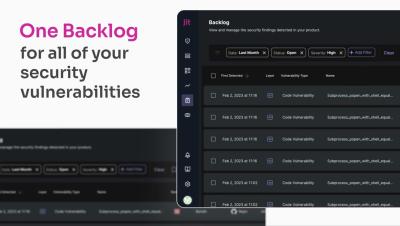
Are you using security tools such as Semgrep, Prowler, KICS, Semgrep, OWASP ZAP, NPM-Audit, Ttivy or others as part of your DevSecOps Toolchain? How do you monitor or get reports from each one of those security tools? Do you implement and configure them manually across all your resources? Jit is an open DevSecOps Orchestration Platform; get your first scan in 5 minutes; you’ll enjoy a fix-focused, native developer experience and comprehensive AppSec visibility.

DevSecOps - Why, When & How?

Delve into the responsibilities and importance of DevSecOps , and address several crucial aspects of DevSecOps, including the ideal timing for implementation, the responsibilities and qualifications of the team or individual responsible for managing the DevSecOps function, KPIs for evaluating success, and the direction in which the role of DevSecOps is evolving. Our Panelists: Alexander “Sasha” Barshay DevSecOps Team Lead @Qwilt Rom Carmel CEO @apono.io Heath Newburn Distinguished Field Engineer @Pagerduty Idan Pinto DevSecOps @fiverr.

Is it ODD to Shift Left? Building Elite DevSecOps Performers

In today’s world, customers expect top-notch digital experiences. Apps that are slow, or leak sensitive data, will alienate even the most ardent users. This session will explore the underlying use cases for shifting security and observability left with two emerging practices, DevSecOps and Observability Driven Design.

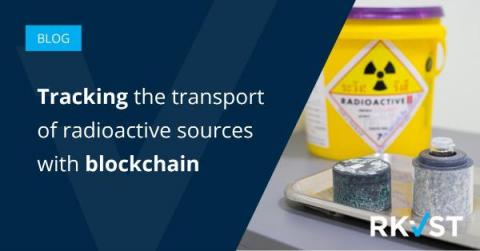
Tracking the transport of radioactive sources with blockchain

This week, Australian authorities recovered a tiny capsule, just 6mm x 8mm (0.24 x 0.31 inches) along a 900km section of Australia’s longest highway, the Great Northern Highway. The pea-sized capsule was a radiation gauge containing caesium-137, a radioactive material with a half-life of 30.05 years, that is used to measure the density and flow of materials in the mining, and oil and gas industries.