It has been nearly a year since the President Biden’s Executive Order 14028 catapulted Software Bills of Materials (SBOMs) from niche topic to the forefront of efforts to improve security of cyber supply chains. Since then not only have federal agencies including NIST and CISA delivered significant amounts of guidance and insight, but SBOMs have been the subject of intense debate across developer communities and beyond.
Sysdig is pleased to announce that it has achieved Amazon Web Services (AWS) DevOps Competency for development, security, and operations (DevSecOps). This designation highlights the value provided by the Sysdig platform to AWS customers to achieve their DevSecOps goals. As a key partner for the ecosystem, Sysdig collaborates closely with AWS and its customers to enhance the protection of cloud infrastructure and applications against continuously evolving security threats.
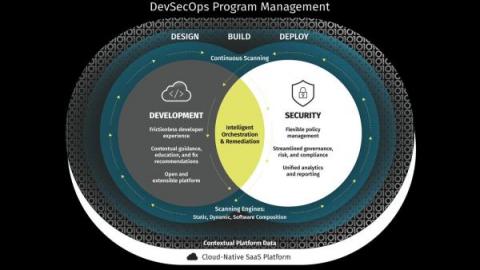
Automation is a key component of DevSecOps because it increases efficiency. Automating work in your software development lifecycle helps you integrate multiple tools into your workflow. It also lets developers, maintainers, and security champions focus on coming up with creative solutions for tough problems, rather than spending time on tedious manual tasks.
On the heels of our significant growth investment from TA Associates, we are pleased to announce our acquisition of auto-remediation technology from Jaroona. Jaroona’s intelligent remediation technology accelerates Veracode’s vision and strategy to automatically detect and remediate software vulnerabilities. Jaroona was recognized as a Gartner Inc. 2021 Cool Vendor for DevSecOps.
In the previous article about the coding process, we covered developers using secure coding practices and how to secure the central code repository that represents the single source of truth. After coding is complete, developers move to the build and test processes of the Continuous Integration (CI) phase. These processes use automation to compile code and test it for errors, vulnerabilities, license conformity, unexpected behavior, and of course bugs in the application.
Guest Blog by Daniel Parmenvik – CEO of bytesafe.dev For many, Software Bill of Materials (SBOMs) have changed from a manual list of assets for due diligence procedures to become an integral and automated part of software development. The ever increasing appetite for open-source software translates into a need to keep track of software assets (or open-source dependencies) for all applications, at any given point in time.
Today we make RKVST available for public use with a free access tier so you can discover what a Zero Trust Fabric can do for you. From tracking software supply chain lifecycles to nuclear waste, RKVST is a powerful tool that builds trust in multi-party processes, when it’s critical to have high assurance in data for confident decisions. But before going all the way you can start simple: tracking software releases and contents with SBOMs.