Security | Threat Detection | Cyberattacks | DevSecOps | Compliance

What Does it Take to be a Rockstar Developer?

If there’s one thing you need to value as you move through your career as a modern software developer, it’s the importance of security. With application layers increasing and the shift left movement bringing security into the picture earlier on the development process, security should be top of mind for every developer working to write and compile successful code.


New Forrester Report: Build a Developer Security Champions Program

We know firsthand how critical it is for developers and security professionals to have a great working relationship. That extends beyond simply communicating well; for your DevSecOps program to come together so that you can secure your applications, you need to break down silos and improve security knowledge across the board.

Enabling DevSecOps with the Elastic Stack

Software development and delivery is an ever-changing landscape. Writing software was once an art form all its own, where you could write and deploy machine code with singleness of purpose and no concern for things like connecting to other computers. But as the world and the variety of systems that software supports became more complex, so did the ecosystem supporting software development.

DevSecOps for Kubernetes-based Applications

In this webinar, we will discuss concerns over security, privacy, and compliance holding back organizations from making the move to fully cloud-native initiatives. As more and more companies orchestrate their containerized applications in Kubernetes, enabling DevSecOps and continuous security becomes a must. We will look at the end-to-end SDLC process - from the first line of code up to an application running in a Kubernetes cluster - to examine the importance of DevSecOps.

Veracode Security Labs: Hands-On Training To Shift Application Security Knowledge Left - Demo

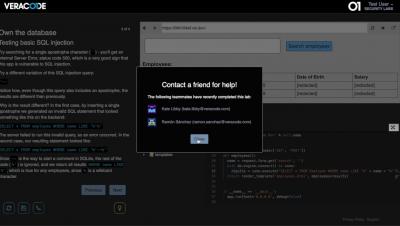
Veracode Security Labs shifts application security knowledge left, training developers to tackle modern threats in the evolving cybersecurity landscape by exploiting and patching real code, and applying DevSecOps principles to deliver secure code on time. Through hands-on labs that use modern web apps written in your chosen languages, developers learn the skills and strategies that are directly applicable to an organization's code. With detailed progress reporting, email assignments, and a leaderboard, developers are encouraged to continuously level up their secure coding skills. When development is empowered to fix security defects and reduce risk, security teams are better supported to scale AppSec programs, meet compliance requirements, and achieve business outcomes.

Outpost24 webinar - Why security perfection is the enemy of DevSecOps

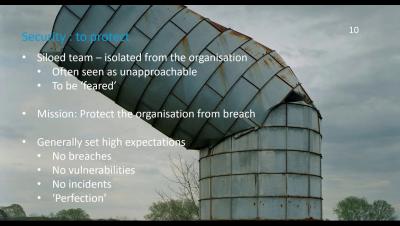
triving for total security is like searching for the holy grail: the chase is real, but mostly in vain. By spending too much time discovering vulnerabilities and fixing issues, it often leads to the dire consequences of missing delivery deadlines, crippling the development team’s ability to move forward and capture market opportunity.

Continuous Intelligence for Atlassian tools and the DevSecOps Lifecycle (Part 1)

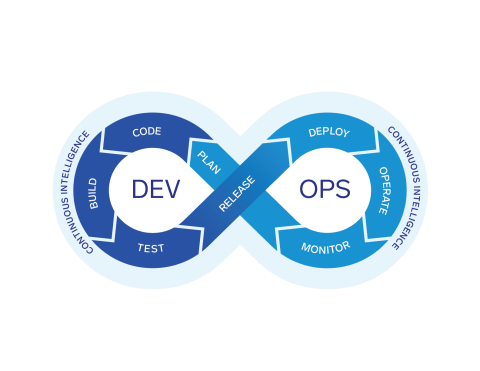
Implementing and operationalizing the best practices and capabilities of DevOps into an organization is a key predictor for increased customer satisfaction, organizational productivity and profitability. Doing so successfully can be a challenging endeavour. Implementing DevOps can be particularly difficult because it oftentimes requires technology changes, process changes and a drastic change in mindset.

Make DevSecOps So: Cloud Enterprise+ on AWS Marketplace

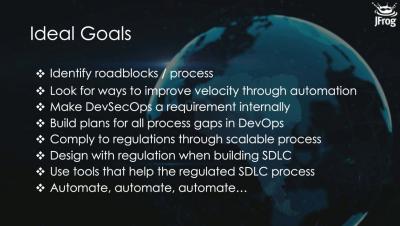
JFrog is pleased to announce that our comprehensive Cloud Enterprise+ plan is now available on Amazon Web Services (AWS) Marketplace through Private Offers. JFrog Cloud Enterprise+ on AWS is a universal, highly-available SaaS offering of the JFrog Platform for demanding DevSecOps at global scale.

DevSecOps vs. SecDevOps: A Rose by Any Other Name?

The terms DevSecOps and SecDevOps are often -- but not always -- used interchangeably. So is there any real difference between the two terms or is it all just semantics? Let’s look at how the role of security has changed as the software development life cycle (SDLC) has evolved to explore whether there’s really any difference between these two words.