Security | Threat Detection | Cyberattacks | DevSecOps | Compliance

How to handle privacy questions during enterprise security reviews

Accelerating security solutions for small businesses‍ Tagore offers strategic services to small businesses. A partnership that can scale‍ Tagore prioritized finding a managed compliance partner with an established product, dedicated support team, and rapid release rate. Standing out from competitors‍ Tagore's partnership with Vanta enhances its strategic focus and deepens client value, creating differentiation in a competitive market.
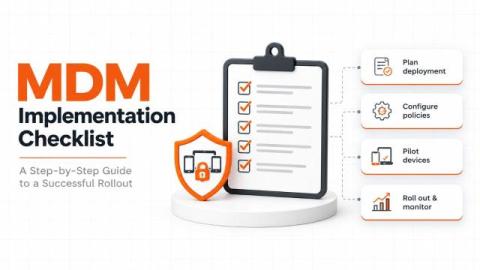

MDM Implementation Checklist: From Planning to Deployment

Enrolling devices is only one part of implementing Mobile Device Management (MDM). Before rollout, IT teams need to define ownership models, prepare the environment, configure policies, and verify that employees can access the apps and resources they need. This MDM implementation checklist breaks the process into seven phases, from initial planning to ongoing device management. Use it to organize responsibilities, identify dependencies, and confirm that each phase is ready before moving to the next.

Why Large File Workflows Break and How Media Teams Are Anchoring Control

In case you missed us, the Egnyte team was at NAB 2026 in Las Vegas. During a Tech Theater session, we dove deep into the mechanics of modern media workflows and why the traditional model of collaboration is reaching a breaking point. The conclusion? The industry has a problem that goes far deeper than just "large files are hard to move.".

[Cybersecurity Awareness Month] Trust, but Verify: Navigating the Era of AI Deepfakes

The digital landscape faces a new and complex challenge: the rise of generative AI. While these tools offer incredible potential for innovation, they also provide malicious actors with sophisticated ways to deceive even the most vigilant users.

Not Making It Easy for Attackers Also Starts with Catching What Slips Through

Security is built on the small decisions we make each day. That’s why Cybersecurity Awareness Month 2026 focuses on the habits that make life harder for attackers—such as using strong passwords, enabling multi-factor authentication (MFA), recognizing and reporting scams, and keeping software updated. However, security awareness must also address the risks that arise when employees introduce new applications and services into their work.

Rai Expands: WatchGuard's Agentic AI Digital Workforce Is Now Available

At IMPACT North America, WatchGuard showcased a simple idea with significant implications for managed security: the next phase of cybersecurity AI is not only about helping people work faster. It is about expanding what the security operation itself can do. Today, that next evolution of Rai is generally available. Rai is WatchGuard’s agentic AI Digital Workforce, built specifically for MSPs and embedded in WatchGuard Cloud.

Stopping destructive commands in AI agents

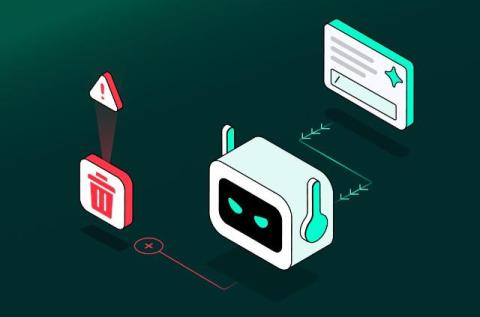
An engineer gives a coding agent a routine task: clean up an old test deployment. The request sounds harmless, and the environment is cluttered with unused cloud resources, stale branches, and temporary credentials that should have been removed weeks ago. The agent gets to work. It lists resources, identifies old infrastructure, and finds a deployment command. Then it sees a naming pattern that appears to connect the test environment to production.

The NSA said wildcard certificates are bad. Everyone uses them anyway.

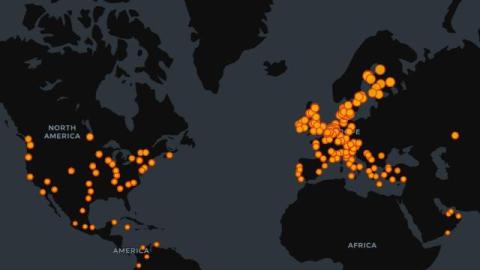
In October 2021 the NSA published an advisory titled “Avoid Dangers of Wildcard TLS Certificates.” It reiterated what security consultants had been saying for years: don’t use wildcard certificates. Single-name certificates per host are safer. Five years later, we counted the certificates that are actually used. One in three domains has a wildcard on it. For.bank domains, where you need a security review just to register, it’s four in five. Operators aren’t careless.

Emerging Threat: (CVE-2026-107406) NetScaler ADC and Gateway Remote Code Execution via SAML

CVE-2026-107406 is a memory overflow vulnerability in NetScaler ADC and NetScaler Gateway, classified as CWE-119. Successful exploitation leads to remote code execution or denial of service. The vulnerability carries a CVSS v4.0 base score of 9.5 (Critical). Attack vector is network, and neither privileges nor user interaction are required.