Security | Threat Detection | Cyberattacks | DevSecOps | Compliance

The CIO Answers for AI They Never Approved

When an AI system misfires inside a large company, the question that follows is who was responsible for it. The answer usually lands on the CIO, and frequently the CIO had no part in choosing, approving or deploying the thing that failed. ‍ This gets described as a governance problem, which undersells it. Governance implies a process that exists and performs badly.

Attackers don't need costumes when they can log in to Microsoft 365

Halloween is full of disguises, but a cyberattacker does not need a costume to get inside a Microsoft 365 environment. A stolen password or malicious app consent can be enough. From there, the intruder may appear to be an ordinary user doing ordinary work. That is what makes identity compromise so unsettling: The front door can look perfectly familiar. Phishing can trick users into sharing credentials or granting access.

How CIAM Can Prevent Abandoned Carts for Ecommerce Businesses

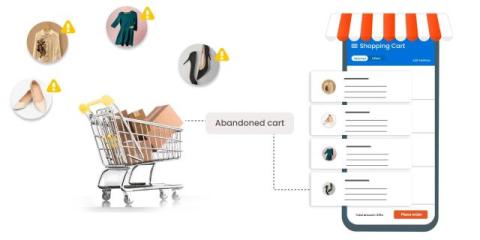
A customer finds the perfect product, adds it to their cart, and heads to checkout. But instead of completing the purchase, they're asked to create an account, remember another password, or go through a lengthy registration process. A few unnecessary steps can turn a potential sale into an abandoned cart. According to the Baymard Institute, the average online shopping cart abandonment rate is 70.22%.

See the Real AI Experience with Cato DEM

AI is becoming part of everyday work. Employees rely on services such as ChatGPT and Claude to research, create, and solve problems, while developers increasingly use AI-powered tools like Cursor and coding agents in their development workflows. As employees increasingly rely on AI to work more productively, the AI experience is becoming a critical part of the digital experience IT teams are expected to support.

Cato CTRL Threat Brief: eMudhra Certificate Compromise Highlights the Value of Protection Delivered by an AI-Native SASE Platform

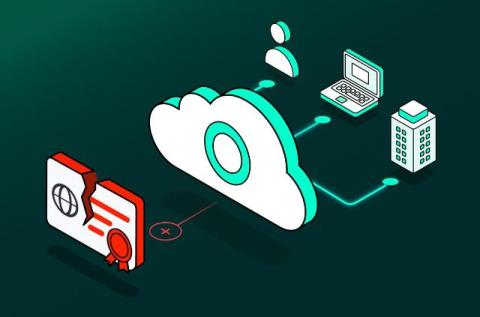
Eight eMudhra intermediate certificate authority (CA) private keys were compromised after being generated with insufficient randomness. Attackers could use these keys to forge certificates and impersonate legitimate websites or services to clients that still trust them. An attacker able to intercept a connection could potentially read or modify sensitive traffic.

Physical Penetration Testing: When Human Trust Bypasses Layers of Security with a Simple Pretext

This article is part of an ongoing series from Sophos frontline security operations specialists, sharing the expertise they use to strengthen our industry-leading Managed Detection and Response (MDR) service and defend customers against evolving AI-era threats. Every physical penetration test starts with the same quiet hope: that somewhere, between the polished lobby, the badge readers, the CCTV domes, and the confident hum of office life, there is a tiny gap no one has noticed.

Insider Risk Is Only Scary in the Dark | Teramind Halloween

Some offices are haunted. Not by ghosts, but by everything they can't see. Outdated policies. Silent alerts. No clear view of who has access to what. Systems left wide open. And an audit on the way. This Halloween, Timmy turns on the lights. Watch a haunted office transform as Teramind brings full visibility to every corner of the organization.

Introducing Persona AI: AI for identity operations

Persona AI brings AI directly into the Persona identity platform. It helps teams verify identities, review cases, investigate fraud signals, and apply their own policies to make faster, more consistent decisions. Many identity decisions still need people to do the work by hand: collecting evidence, screening, flagging risk, interpreting policy and routing cases. Persona AI is built into the platform, so it works directly with your identity data, risk signals, policies and workflows.