Security | Threat Detection | Cyberattacks | DevSecOps | Compliance

The Anatomy of Wiper Malware, Part 2: Third-Party Drivers

In Part 1 of this four-part blog series examining wiper malware, we introduced the topic of wipers, reviewed their recent history and presented common adversary techniques that leverage wipers to destroy system data. In Part 2, CrowdStrike’s Endpoint Protection Content Research Team discusses how threat actors have used legitimate third-party drivers to bypass the visibility and detection capabilities of security mechanisms and solutions.
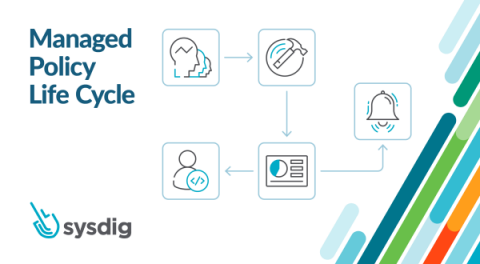
Introducing Managed Policies for Sysdig Secure

Whether you’re learning cloud-native workload protection for the first time or running all your microservice workloads in production, you probably already noticed that cloud-native security is much different from security design used for traditional monolith applications. The dramatic increase in complexity and the evolving threat landscape make cloud and container security even more critical and harder to manage.

8 tips for securing containers from source to runtime

Today we’re announcing a new container security cheat sheet and report — created in collaboration with our partner Sysdig. Download cheatsheet In this post, we’ll outline tips to help you successfully navigate the challenges of container security with a focus on three core principles: Traditional security approaches are incapable of handling the distributed and ephemeral nature of containers.

When Should You be Using Encryption?

Many organizations want to leverage encryption in their environments. This usually starts off with encrypting data and devices that physically leave the organization. External USB drives with encryption or internal drive encryption on laptops using BitLocker for example. We have all heard stories of secret government documentation being left behind on the train or a laptop with employee information being left in a Taxi while traveling.

Top 5 Hidden Costs of SharePoint Online

If you’re like many organizations that have heavily invested in Microsoft 365, you may be considering, or already attempting, to use SharePoint Online as your company file server. After all, it’s “free” since it’s included in the service, right? While Microsoft has made improvements on the front-end with OneDrive for Business and Teams, there are still many challenges and hidden costs associated with using SharePoint as your primary company file system.

How Do We Secure Our Software Supply Chain?

Software supply chain is anything and everything that contributes to making software functional. This includes code in the developer system, the CICD pipeline, dependencies, binaries, and deployed software in production, as well as people, processes, and the technology space. With the growing adoption of assembling software from distributed, unmanaged components rather than building it from scratch, more often than not, organizations are not aware whose, or what, code is running within their software.

Webinar: The Best (Tested) MFA Features for Admins and Users - 18 August 2022

Password security has been a hot topic since the Internet’s inception. Once upon a time, securing your accounts was as simple as not setting your password as “password.” Now, there can’t be talk about password security without multi-factor authentication (MFA) and how it has become a critical solution to protect users, data, networks, and more. WatchGuard and Miercom, an independent organization focused on product testing, have worked together on testing three MFA solutions and assessing performance in user and admin experiences.

Keeping Docker secrets secure (even if you're not using Kubernetes)

Distributed containerized systems compose applications, resources, services, databases, and other artifacts. These components often need sensitive information such as user keys, passwords, API keys, and certificates to function properly. Secrets management is critical for adequately handling sensitive information and Kubernetes deployments often utilize their built-in Secrets resource type and associated RBAC controls but what if you aren’t deploying on Kubernetes?