Security | Threat Detection | Cyberattacks | DevSecOps | Compliance

CrowdStrike Named a Leader in 2024 Gartner Magic Quadrant for Endpoint Protection Platforms

CrowdStrike is proud to be named a Leader in the 2024 Gartner Magic Quadrant for Endpoint Protection Platforms. We believe this recognition clearly demonstrates the power of the CrowdStrike Falcon cybersecurity platform and our unwavering commitment to innovation in strengthening endpoint security for our customers.

De-identification under HIPAA: 5 Frequently Asked Questions about De-identified Healthcare Data

The Health Insurance Portability and Accountability Act (HIPAA) safeguards patient data. Hospitals, clinics, insurance providers, and other healthcare facilities must adhere to these stringent rules. De-identification enables healthcare data to be used in meaningful research. It enables data to be analyzed to provide improved healthcare. It does this without violating personal privacy. This balance is critical to fuel innovation and ethically manage data.

Sergey Tokarev: STEM is FEM's Outcomes last year

Initially, the STEM is FEM education project was launched to encourage young schoolgirls to learn STEM disciplines. It was a step in to break gender inequity having a place in the IT sector for a long time. However, the STEM is FEM initiative has extended its objective to engage the project participants in the post-war reconstruction of devastated Ukrainian cities. Sergey Tokarev, the IT entrepreneur and initiator of STEM is FEM, shared the outcomes of implementing the educational course "Urbanism."

The states of data, Part 2: Why visibility is key for protecting data at rest

In part two of our blog series, The states of data, we’ll be discussing the various threats to sensitive data at rest in the form of a case study on Morgan Stanley’s data breach. Before we delve into that, let’s look at what data at rest is and see a few examples of data at rest in an organizational context.

Why educational institutions need robust cybersecurity solutions

Technology has been an integral part of the education industry, even before the onset of the pandemic. However, the shift from traditional classrooms to online courses, virtual classrooms, and digital textbooks has taken place at a rapid pace since 2020. This transition to the digital world has widened opportunities, but it has also opened avenues for cyberattacks and compliance violations.

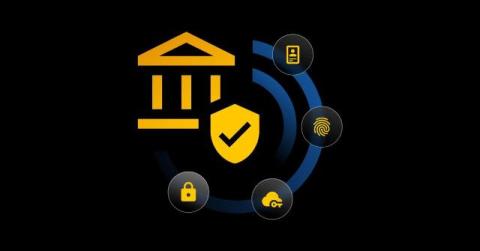
Ensuring Compliance with FDIC Regulations in Financial Institutions

Financial institutions must adhere to stringent regulations set forth by the Federal Deposit Insurance Corporation (FDIC) to ensure the security and confidentiality of customer information. Title 12, Chapter 3, Subchapter B, Part 364 of the Code of Federal Regulations is particularly important, outlining the standards for information security that these institutions must follow, especially regarding the handling of customer information and data.