Security | Threat Detection | Cyberattacks | DevSecOps | Compliance

Empowering the Next Wave of Blockchain Pioneers: The Coinspaid and The Residency Strategic Alliance

The rapid evolution of the digital economy has created a significant gap between the capabilities of established fintech giants and the needs of early-stage startups. While large corporations enjoy seamless access to global liquidity and sophisticated payment rails, emerging founders often struggle with the technical and regulatory hurdles of blockchain integration. A new strategic partnership is set to bridge this divide by democratizing access to high-tier financial technology, ensuring that the next generation of innovators can build on a foundation of institutional-grade security.

How to exchange BTC to XMR?

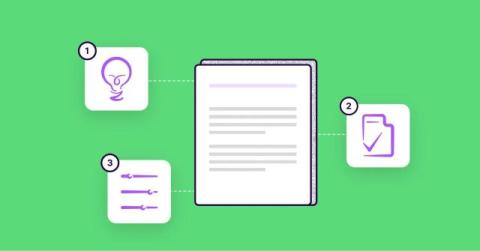
Exchanging Bitcoin (BTC) for Monero (XMR) is a popular process for users who value privacy and security in their cryptocurrency activities. Due to Bitcoin's transparent blockchain and Monero's emphasis on anonymity, the swap process is increasingly being chosen by those seeking to protect personal financial data. This guide provides a clear, step-by-step approach on how to successfully complete a BTC to XMR exchange while keeping your privacy intact.

How To Build an Effective IT Disaster Recovery Plan

When weather forecasters predict hurricanes and blizzards, people rush to the grocery store for bread, milk, snacks, and water. While the snacks may be part of the storm preparation, the bread, milk, and water are part of the post-storm recovery. People know that they may experience power outages, water service disruption, or difficulty getting to stores. In short, the people plan how to recover in a disaster’s aftermath.

Best Software Composition Analysis (SCA) Tools: Top Solutions in 2026

Software Composition Analysis (SCA) tools expose the risks in open source dependencies by identifying vulnerabilities, outdated dependencies, and license issues in your codebase. Top solutions include Mend.io (best for automated remediation and proactive SCA), Sonatype Lifecycle (known for enterprise policy management), Snyk (known for developer experience), and Checkmarx SCA (known for comprehensive coverage).

Behavioral Visibility: Moving Beyond Activity to Understand Engagement, Sentiment, and Intent

As work becomes more distributed and digital behaviors, both human and non-human, become more complex, organizations need more than activity data; they need context to understand risk, performance, and intent. Behavioral visibility analyzes workforce behavior patterns to detect engagement, sentiment, and insider risk signals. It helps security, IT, HR, and leadership identify emerging risks earlier, reduce false positives, and make more informed, proactive decisions in complex work environments.

Understanding shadow AI in your endpoint environment

Generative AI–and large language models in particular–reached mass consumer adoption beginning in late 2022 and early 2023, with ChatGPT reaching 100 million users faster than any consumer application in history. Since then, AI has advanced at a breakneck pace and now seems to be incorporated in every tool, app, and website–regardless of how useful it might actually be.

Best Enterprise DLP Tools for AI Data Risk (2026 Comparison)

Employees move sensitive data into AI tools every day. Someone pastes customer records into ChatGPT to draft an email. A developer feeds proprietary source code into a coding assistant to fix a bug. A project manager drops a confidential contract into Gemini to summarize it for a meeting. According to research from Cyberhaven Labs, 39.7% of the data employees share with AI tools is sensitive, and enterprise adoption of endpoint-based AI agents grew 276% in the past year alone.

7 Generative AI Security Risks and How to Defend Your Organization

Generative AI creates new attack surfaces that traditional security tools were not designed to address. The biggest generative AI security risks include prompt injection, data leakage, shadow AI, compliance exposure, model poisoning, insecure RAG pipelines, and broken access control. Each one requires a specific defense, not a generic firewall or DLP rule.