Security | Threat Detection | Cyberattacks | DevSecOps | Compliance

DAGStyle Agents That Finish Jobs

When I first built a chat-based AI agent, I was amazed by its conversational abilities. It could answer questions and generate code snippets on the fly. Yet when I tried to delegate complex work (like analysing a set of documents), it kept wandering off course. Sometimes it hallucinated, sometimes it looped forever, and sometimes it burned through API credits without a single useful output.

Can Secure Messaging Prevent Healthcare Data Breaches?

The healthcare world runs on information. Doctors, nurses, and staff exchange updates every hour, and much of this involves sensitive details about patients. Yet these details are also what cybercriminals target. From identity theft to fraudulent claims, stolen records can be misused in countless ways. The result is not just financial damage but also a breakdown in patient confidence.

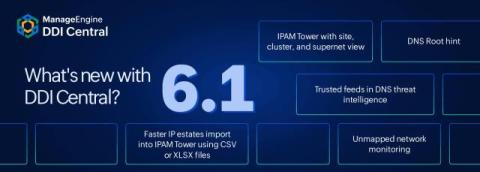
DDI Central + OpManager Plus: How admins can achieve unified visibility into their network resources

Network administrators today require a unified solution that consolidates network services, resources, and configurations onto a single platform for seamless management. One of the key needs is complete visibility into connected devices, leased IP addresses, and their status, utilization, and availability. With the ever-growing number of devices joining enterprise networks, manually tracking each device and its IP address is both time-consuming and inefficient.

Black box penetration testing: pros and cons

Black box penetration testing is one method among many potential approaches to securing systems, applications, networks and cloud environments. As with anything, it has pros and cons. Black box penetration testing involves assessing an asset without any prior knowledge or access to its internals, for example authenticated features, application code, user credentials or network architecture.

Master quantitative risk analysis: A step-by-step guide for better business decisions

Risk is an ever-present factor in business, influencing almost every decision that organizations make. From investments and operations to market expansion and product development, every decision carries with it inherent risks that could either be mitigated or amplified based on how well they are understood and managed. Quantitative risk analysis offers a structured, data-driven approach to assess these risks, paving the way toward more informed and resilient business decisions.

BlueVoyant Adopts a New Naming Convention to Bring Clarity to Cyber Threat Analysis

The lack of a universal standard for naming threat actors often creates confusion in the cybersecurity community. The same threat actor can be identified by multiple aliases depending on the vendor or team tracking it. For example, a Russian government-sponsored cyber threat group is referred to alternatively as “APT29”, “Cozy Bear”, “Midnight Blizzard” and “Nobelium”.

CyberArk Privilege Cloud Version 14.7 Release

CyberArk Privilege Cloud version 14.7 improves user experience and operational efficiencies in the CyberArk Identity Security Platform. This release introduces significant updates and improvements, including Secure Access space and the new Identity Protection space, which features Threat Detection and Response (TDR), Risk Management, and more.

Ephemeral accounts don't leave an audit trail, and that's a problem

Ephemeral accounts are temporary, high-privilege accounts created for short-term use. They’re a convenient way to get quick, temporary access to systems, data or applications for one-off tasks. Need temporary admin rights for a few minutes? Just create an ephemeral account, complete your task and move on. But behind the convenience of these temporary credentials loom serious security threats.