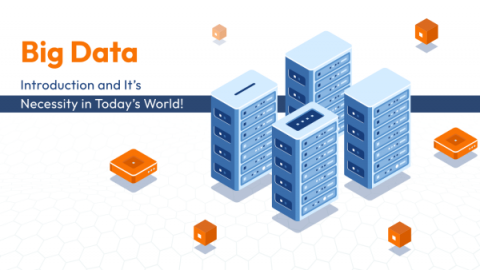
First, as not all data is automatically considered to be Large type data, let’s define what “Large Data” is and what makes it “big” before moving on to a more in-depth examination of Large Data analytics. The term “Big Data” describes large quantities of data of any form, including but not limited to the three forms : structured, unstructured, and semi-structured. Such data sets are constantly being produced at a high rate and in a considerable quantity.
Across the globe, we are all now always connected. People now share, upload, and download information from their phones or computers. Cloud-based storage has become incredibly popular because everything is accessible. And with multiple devices synced, you'll never have to worry about forgetting a file again. However, it's not without risks. If someone gets access to your account credentials, they could potentially view all your data stored in the cloud.
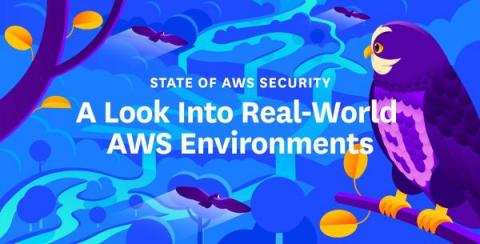
In the cloud, securing identities and workloads is both paramount and complex. Inventories of AWS customer security breaches help us learn from publicly disclosed incidents—but until now, not much concrete data has been shared around the usage of security mechanisms that could have helped prevent these incidents. For this report, we examined real-world data from a sample of more than 600 organizations and thousands of AWS accounts that use the Datadog Cloud Security Platform.
Which cybersecurity framework is the best one to use for an organization? This is one of the most frequently asked questions when embarking on the cybersecurity journey. Often, the answer falls quite unsatisfyingly along the explanatory lines about how there is no one-size-fits-all solution, and how there are advantages and disadvantages to each.
It seems like every other day; we hear about another company that has been hacked and its customers’ personal data compromised. In the wake of these incidents, it’s more important than ever for businesses to take steps to protect themselves from cyber-attacks. One way to do this is by implementing a network monitoring and security monitoring solution.
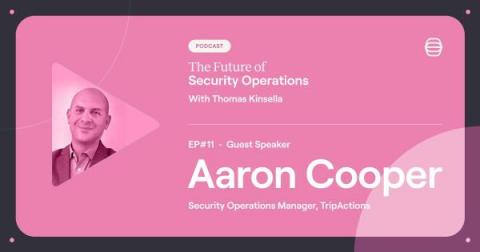
Aaron Cooper is the Security Operations Manager at TripActions with 20+ years of experience working in a variety of enterprise infrastructures. He specializes in managing and designing secure network environments to meet the needs of financial and corporate customers, managing security operations centers, and designing and implementing highly secure and available data networks while maintaining HIPAA, SOX, and PCI compliance.
Ours truly is the great age of digital technology. Indeed, few of us can get through an ordinary day without engaging with some kind of digital device, whether we’re using them to communicate, research, work, bank, or even monitor our health. In many cases, the digital devices we use to make it through the day aren’t sitting on our desks and tethered to an electrical outlet.