Security | Threat Detection | Cyberattacks | DevSecOps | Compliance

How Geo-Targeted Attacks Evade Detection

The era of spray-and-pray cyberattacks is effectively over. Modern threat actors do not launch global, noisy campaigns. They launch highly localized, surgical strikes. They analyze regional vulnerabilities. They deploy localized phishing lures. Most importantly, they perfectly mimic local network traffic. When an attack originates from an IP address that your security perimeter explicitly trusts, traditional alarms stay silent. This is the core danger of geo-targeted evasion.

Securing Your Data Pipeline from Internal Threats

When organisations design security strategies, they often focus on building a fortress to keep external threats out. However, some of the biggest risks to data integrity don't come from outside; they start within. Securing a data pipeline, the complex system that moves information from source to destination, needs strong defences against internal threats, whether they're intentional or accidental.

Power BI HR Dashboard Examples for Better Workforce Planning

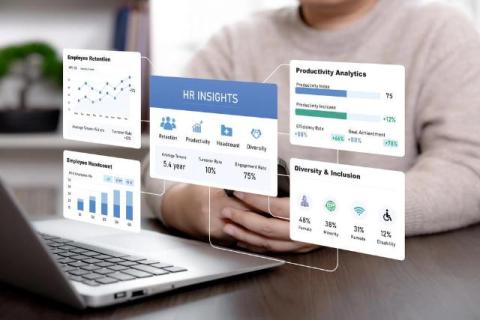
Workforce planning requires more than knowing how many employees currently work for the company. HR leaders must understand hiring needs, turnover risks, workforce costs, skill gaps, and future capacity. An HR dashboard brings these areas into one clear reporting view. It helps leaders compare workforce trends and decide where the business may need more people or better support. The right dashboard will depend on the company's goals and workforce structure. These Power BI HR dashboard examples show how different reports can support practical workforce planning.

How to Build Reliable Data Integration Pipelines That Actually Support AI and ML at Scale

AI has become surprisingly good at spotting patterns, writing code, summarizing documents, and answering complex questions. Yet many AI projects still hit the same wall long before the model becomes the problem. The real challenge often lies in something far less exciting: getting the right data to the right place, in the right format, at the right time.

8 Fleet Cybersecurity Metrics Worth Tracking

Running a modern fleet involves far more technology than it did a decade ago. Vehicles now connect with GPS devices, mobile apps, cloud platforms, maintenance software, and outside service providers. Those tools make routine work easier, but every connection also creates another place where credentials, equipment, or sensitive information could be exposed.

How to Choose Secure Workstations for Data Teams

Data science used to happen on clunky, beige towers hidden away in server rooms. Today, data teams are building massive machine learning models and processing giant pools of information right from their desks. That shift requires serious computing horsepower. When you are buying hardware that handles proprietary algorithms and sensitive customer databases, raw performance is only part of the equation.

How to Choose the Best Tech Stack to Support Your Sales Team

If your sales team is to win new clients and upsell to your existing client base, it needs all the support it can get. The current financial climate means that businesses are under more pressure than ever before to perform efficiently and deliver results at a time when companies have less money to spend. For B2B enterprises, this creates additional challenges that extend way beyond the normal barriers to attracting new clients and closing sales. So, finding additional ways to support your sales team is a must.

Why Data Alone Doesn't Make Decisions Easier

Most companies don't have a shortage of data anymore. If anything, they have the opposite problem. Dashboards multiply, reports update automatically, and every team tracks its own metrics. There's always something to look at. But when it comes to making a decision, things still feel uncertain. That's usually when data analysis services start to matter-not because there's no data, but because there's too much of it.

Fortifying Your SaaS: A CISO's Guide to Secure Embedded Analytics

In the competitive SaaS landscape, differentiation is key. Product leaders are constantly searching for the next feature that will not only attract new customers but also increase the stickiness of their platform. Enter embedded analytics. The ability to provide users with interactive, real-time data visualizations directly within your application is no longer a luxury; it's an expectation. But as we rush to empower our customers with data, are we inadvertently opening a new front in the cybersecurity war? For every visually stunning dashboard, there's a potential attack vector waiting to be exploited. The question then becomes not if you should implement embedded analytics, but how you can do so without compromising your security posture. This guide will walk you through the critical security considerations, from data isolation to API security, ensuring your next product enhancement doesn't become your next data breach headline.

From the Data Lake to the Edge: Why Universal Visibility is the Future of API Security

If you look at an enterprise architecture diagram from five years ago, it looks relatively tidy. You had a data center, maybe a cloud provider, and a few gateways. Today, that diagram looks like a constellation. Data is living in AI platforms like Databricks. Frontend applications are pushed to the edge on Netlify. Logic is scattered across microservices, serverless functions, and legacy IIS servers. For security teams, this fragmentation creates a massive headache: Blind Spots.