Security | Threat Detection | Cyberattacks | DevSecOps | Compliance

Why Data Alone Doesn't Make Decisions Easier

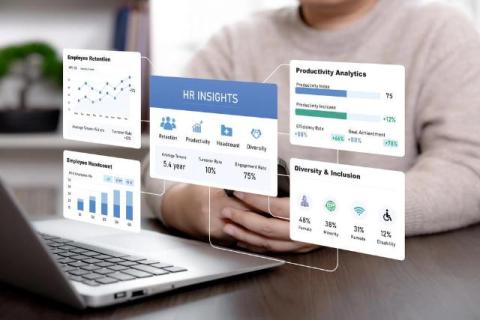
Most companies don't have a shortage of data anymore. If anything, they have the opposite problem. Dashboards multiply, reports update automatically, and every team tracks its own metrics. There's always something to look at. But when it comes to making a decision, things still feel uncertain. That's usually when data analysis services start to matter-not because there's no data, but because there's too much of it.

Fortifying Your SaaS: A CISO's Guide to Secure Embedded Analytics

In the competitive SaaS landscape, differentiation is key. Product leaders are constantly searching for the next feature that will not only attract new customers but also increase the stickiness of their platform. Enter embedded analytics. The ability to provide users with interactive, real-time data visualizations directly within your application is no longer a luxury; it's an expectation. But as we rush to empower our customers with data, are we inadvertently opening a new front in the cybersecurity war? For every visually stunning dashboard, there's a potential attack vector waiting to be exploited. The question then becomes not if you should implement embedded analytics, but how you can do so without compromising your security posture. This guide will walk you through the critical security considerations, from data isolation to API security, ensuring your next product enhancement doesn't become your next data breach headline.

From the Data Lake to the Edge: Why Universal Visibility is the Future of API Security

If you look at an enterprise architecture diagram from five years ago, it looks relatively tidy. You had a data center, maybe a cloud provider, and a few gateways. Today, that diagram looks like a constellation. Data is living in AI platforms like Databricks. Frontend applications are pushed to the edge on Netlify. Logic is scattered across microservices, serverless functions, and legacy IIS servers. For security teams, this fragmentation creates a massive headache: Blind Spots.

AI for Influencer Marketing: Smart Ways to Scale Content and Engagement

Influencer marketing continues to dominate the digital landscape, but creating consistent, high-quality content remains one of the biggest challenges for creators and brands alike. The pressure to post regularly while maintaining authenticity and engagement can be overwhelming. This is where artificial intelligence steps in, offering practical solutions that help influencers scale their content production without sacrificing quality or burning out.

New Databricks and Snowflake apps strengthen cloud data security and data pipeline visibility

If you’re like most companies we work with, you’re awash in opportunities (and a bit overwhelmed with pressure) to adopt AI. Of course, integrating new technologies means more data to manage and systems to monitor.

How Shopify and Magento Analytics Drive Better Conversions

In the high-stakes world of digital commerce, the distinction between a thriving storefront and a digital ghost town often boils down to how well you interpret the breadcrumbs your customers leave behind. Platforms like Shopify and Magento provide a treasure trove of raw data, but the real magic happens when you actually start translating those cryptic charts into actionable growth strategies. Have you ever wondered why some visitors vanish the moment they hit your checkout page?

Exabeam Introduces First Connected System for AI Agent Behavior Analytics and AI Security Posture Insight

Industry leadership expanded with connected capabilities that not only uncover AI agent activity, but centralize investigation, and deliver measurable AI security posture insights.

How Appknox reporting and analytics make security data usable across teams

Security reporting only works when the right people can use it. Appknox reporting and analytics are designed to help security leaders, AppSec teams, and developers work from the same data—without translation layers or manual fixes—so teams can meet targets for report delivery and act faster.

What Is a Prop Firm and How Technology Ensures Secure Trading

In today's fast-paced financial markets, professional trading has evolved significantly, thanks to the rise of proprietary trading firms, commonly known as prop firms. These firms provide traders with the capital and resources necessary to trade financial instruments without risking their own money. But beyond the financial mechanics, technology plays a critical role in ensuring that trading within prop firms is secure, efficient, and transparent. This article explores what is a prop firm and the technological safeguards that protect both traders and firms in the digital era.