Security | Threat Detection | Cyberattacks | DevSecOps | Compliance

Securing the Model Context Protocol (MCP): A Deep Dive into Emerging AI Risks

In 2025, the rise of autonomous agents and developer-integrated copilots has introduced an exciting new interface paradigm: the Model Context Protocol (MCP). Originally proposed by Anthropic, MCP has quickly become the de facto open standard for allowing language models to securely interact with external tools, APIs, databases, and services. But as enterprise adoption surges, so do the risks - both novel and unanticipated.

What is MXDR? A Modern Approach to Cyber Threat Detection and Response

While organizations deploy various security technologies, modern cyberattacks are often intricate, involving kill chains composed of numerous low-fidelity signals. A key challenge is correlating these alerts across siloed security solutions to gain a complete, enterprise-wide view of the threat.

CMMC readiness: How AI-powered platforms accelerate DoD compliance

Defense contractors and organizations involved in Department of Defense (DoD) projects are facing growing pressure to comply with stringent cybersecurity standards. The Cybersecurity Maturity Model Certification (CMMC) represents a transformative initiative aimed at enhancing the security posture across the defense industrial base. As organizations embark on this compliance journey, AI-powered platforms are emerging as critical enablers to accelerate CMMC readiness.

Website Vulnerability Scanners: How They Work and Boost Security

Website vulnerability scanners enable organizations to continuously identify vulnerabilities by crawling the website and its diverse parts, including web pages, third-party components, and software. It simulates attack techniques to detect weaknesses such as: These tools are essential in modern DevSecOps and continuous security testing environments, helping identify flaws early in the development or deployment lifecycle.

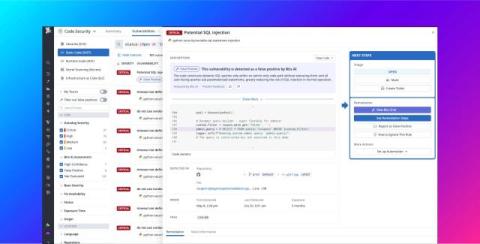
How Automated Vulnerability Scanners Can Improve Your Threat Detection

Web applications are central to how modern businesses operate, driving customer engagement, managing critical workflows, and enabling seamless digital experiences. But as applications become more dynamic and distributed, their attack surfaces grow more complex, and harder to defend. According to the 2025 Verizon Data Breach Investigations Report, 20% of confirmed breaches began with the exploitation of known vulnerabilities, a 34% increase over the previous year.

9 Must-Have WAF Features to Protect SaaS Applications in 2025

The Software-as-a-Service (SaaS) industry continues its explosive growth, fundamentally transforming how businesses operate worldwide. As of 2024, more than 30,000 SaaS providers serve a global base of over 14 billion SaaS users, delivering mission-critical solutions across CRM, HR, finance, collaboration, and a wide range of specialized enterprise functions, placing SaaS at the core of digital transformation.

How to Decode Your Vulnerability Assessment Report for Real Security Gaps

A vulnerability assessment report is more than a technical document. It is a strategic blueprint for improving your organization’s security posture and reducing risks. When interpreted correctly, it empowers organizations to make informed security decisions, prioritize investments, and demonstrate ROI. Yet in many organizations, these reports are underused. They are treated as compliance artifacts or raw checklists rather than insights for strategic action.

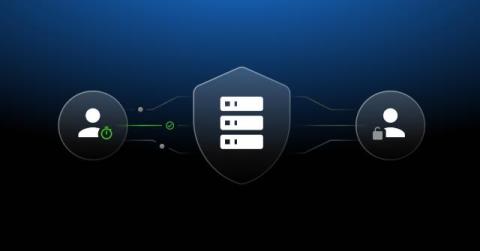
CISO Guide to Machine Identity Lifecycle Management: What CISOs Need to Know

Machine identity lifecycle management has evolved beyond a technical implementation challenge to become a fundamental component of enterprise risk management and digital transformation strategy. As a core element of a modern cybersecurity strategy, machine identity management ensures that organizations can effectively protect their digital assets and adapt to evolving threats.