Security | Threat Detection | Cyberattacks | DevSecOps | Compliance

What Hackers Know About Fileless Malware (And You Should Too)

Fileless malware doesn't rely on flashy exploits or obvious downloads, which is exactly why it works so well. Instead, it slips into systems quietly, using tools that already belong there. That makes it harder to notice and easier to underestimate. If you think security threats always arrive as suspicious files, you're already behind. Understanding how fileless attacks operate helps you spot warning signs earlier and adjust defenses before real damage starts.
Sponsored Post

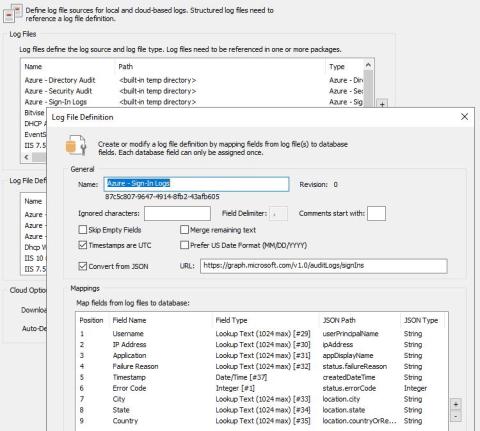
EventSentry v6: Azure Logs, HEC, Sigma, Log Signing & More

Even though the shift to the cloud has slowed recently as many businesses are moving certain workloads back on-premise, Microsoft Exchange remains one cloud-based service that most organizations continue to embrace – despite its frequent outages. This doesn’t come as a surprise, as Microsoft has successfully devolved on-prem Exchange Server – the only viable alternative – into an unfriendly dragon that even experienced sysadmins won’t touch with a 10 ft pole.

Introducing an MDR Service that Enhances Your Current Security Tools

Most organizations already get solid protection from the security tools they use, but integrating a mix of those tools into a complete, well-coordinated defense remains challenging. Teams are stretched thin, threats move fast, and it takes time and expertise to monitor everything around the clock and respond the moment something looks suspicious. This is where an open approach to MDR helps meet partners and customers where they are.

CVE-2025-64155: FortiSIEM Remote Unauthenticated Command Injection Vulnerability

On January 13, 2025, Fortinet released fixes for a critical-severity FortiSIEM vulnerability (CVE-2025-64155) that stems from improper neutralization of special elements used in OS commands within the phMonitor service (TCP/7900). An unauthenticated, remote threat actor can exploit this vulnerability via crafted TCP requests to execute unauthorized code or commands on affected systems.

Understanding your Tines deployment options

At Tines, we understand different systems and environments require different deployment options. Some organizations require extra guardrails to access and manage their systems and data. Those operating in regulated industries or the government sector often require self-hosted or on-prem solutions to ensure their networks are secure and compliant. Tines is unique in many ways, but one of our biggest differentiators is that our intelligent workflow platform can be deployed in the cloud or self-hosted.

Introducing your AI interaction layer

AI is everywhere, but without a consistent and secure way to connect it to real systems, it remains fragmented, difficult to govern, and hard to scale. Today, we’re introducing your AI interaction layer. Tines unifies AI agents, copilots, and Model Context Protocol (MCP) servers and clients in a single, secure environment. It gives teams a practical way to connect AI to systems and put it to work seamlessly across operations.

LLM Security Checklist: Essential Steps for Identifying and Blocking Jailbreak Attempts

If your organization uses a private large language model (LLM), then it’s time to start thinking about countermeasures for jailbreaking. A jailbroken LLM can lead to leaked information, compromised devices, or even a large-scale data breach. Even more troubling: Jailbreaking LLMs is often as simple as feeding them a series of clever prompts. If your customers can access your LLM, your potential risk is even higher.

Token Torching: How I'd burn your AI budget (so you can fix it)

I spend most of my time thinking like a criminal. Not because I’m edgy, but because that’s literally the job. And lately, everywhere I look, I see the same thing: People are exposing MCP endpoints like they’re REST APIs, and forgetting they’re actually money execution engines. So let’s talk about Token Torching. Yes, I invented another name. This isn’t data theft. It’s not taking your service down.