A few months ago, the National Institute of Standards and Technology (NIST) released a draft framework for ransomware risk management. But it's not the only publication on such threats, as the institute has also produced a guide recently on how MSPs should protect data from ransomware and other data loss events.
DevSecOps stands for Development, Security and Operations. This is a practice aimed to automate or design security integration throughout the software development lifecycle or workflow. Nowadays, collaborative frameworks and projects that share security protocols from end to end are really common, so DevSecOps practices attempt to emphasize building infrastructure with a strong security foundation and stable automation workflow and phases. Watch the video below to learn more about Securing DevSecOps.
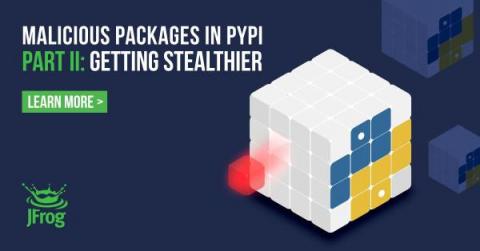
The JFrog Security research team continuously monitors popular open source software (OSS) repositories with our automated tooling to report vulnerable and malicious packages to repository maintainers. Earlier this year we disclosed several malicious packages targeting developers’ private data that were downloaded approximately 30K times.
Among its evangelists and advocates, DevOps is about the cultural shift from traditional silo groups to the integration of a DevOps team. DevOps teams speak about change, feedback, inclusiveness, and collaboration. The goal is to bring everyone who has a seat at the table onto a common platform to work together and deliver changes to business systems safely and securely. Companies that choose to go through digital transformation use DevOps as their platform to deliver software at speed and scale.
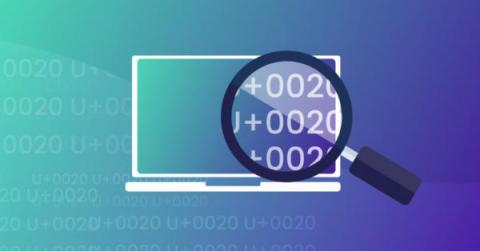
Earlier this month, a group of researchers at the University of Cambridge published an academic paper, with an accompanying website, on a new type of potential vulnerability that could appear in source code. They called it Trojan Source.
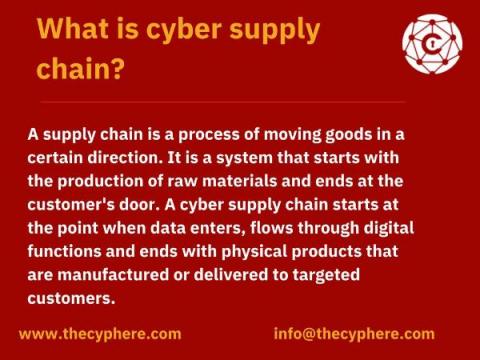
Supply chain logistics have been the backbone of global trade for hundreds of years. Extending the same concept, with the added digital components gives birth to supply chain cyber security risks. Supply chain cyber security is a topic that has come into the limelight for the last couple of years.
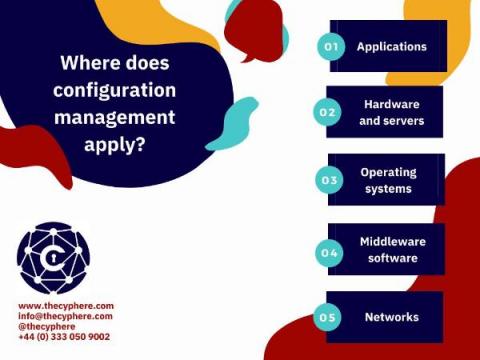
Configuration management (CM) is a process that helps maintain the consistency of software versions and configurations across various environments. It is usually associated with the concept of change control. Configuration management systems help ensure that changes to an application are correctly documented, authorised, tested and deployed in a controlled manner to avoid errors.
In late August 2021, a major data leak exposed where 38 million private records through Microsoft’s Power Apps portals, a powerful low-code tool that enables both professional and citizen developers to create external-facing applications. The misconfiguration was discovered by the research team at UpGuard and is now well-known as one of the most severe low-code security incidents to date.
Iranian government-sponsored advanced persistent threat (APT) actors are exploiting known Microsoft and Fortinet vulnerabilities to attack targets with ransomware in the transportation, healthcare and public health sectors, according to an alert issued on Nov. 17 by the Cybersecurity and Infrastructure Security Agency (CISA).