Security | Threat Detection | Cyberattacks | DevSecOps | Compliance

lightning PyPI Compromise: A Bun-Based Credential Stealer in Python

On April 30, 2026, two malicious releases of the popular lightning PyPI package were published, affecting the deep learning framework formerly distributed as pytorch-lightning. Versions 2.6.2 and 2.6.3 ship a hidden _runtime directory that downloads the Bun JavaScript runtime from GitHub at import time and uses it to execute an ~11 MB obfuscated credential stealer. The last clean release is 2.6.1, published January 30, 2026.

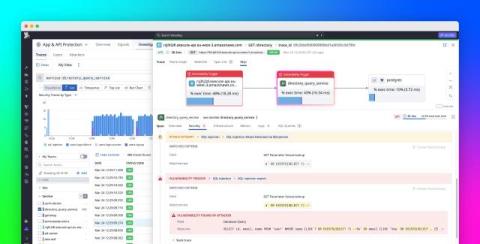
Detect runtime threats in Python Lambda functions with Datadog AAP

Python AWS Lambda functions are ephemeral and highly distributed, which creates security visibility gaps that traditional perimeter defenses and proxy-based controls struggle to fill. Techniques such as credential stuffing, SQL injection, and server-side request forgery (SSRF) can look like legitimate application traffic, making them difficult to identify without visibility inside the application itself.

PyTorch Users at Risk: Unveiling 3 Zero-Day PickleScan Vulnerabilities

JFrog Security Research found 3 zero-day critical vulnerabilities in PickleScan, which would allow attackers to bypass the most popular Pickle model scanning tool. PickleScan is a widely used, industry-standard tool for scanning ML models and ensuring they contain no malicious content.

Intrusion-Detection ML Pipeline: Hiring Python Data Engineers and Security Analysts

Modern cyber threats evolve rapidly, often evading traditional defenses, so organizations are adopting machine learning (ML)-driven intrusion detection systems (IDS) that learn normal network patterns and flag anomalies in real-time.

What is a PyPi Server and How to Set it Up Securely

Shlomi Kushchi is a seasoned system architect at Jit.io, specializing in building security solutions for dev organizations. With extensive experience in cloud computing and event-driven, microservices architecture, he empowers developers to master advanced technologies. Security experts dedicated to shaping insightful editorial content, guiding developers and organizations toward secure cloud app development. Dive into a wealth of knowledge and experience in fortifying software integrity.

A Comprehensive Guide to Python Development Services by Intexsoft

Python isn't just a programming language-it's the engine behind many of the digital tools and platforms we use daily. Think of it like the electricity that powers our homes-essential, often unseen, and remarkably flexible. If you've ever used Instagram, browsed YouTube, or checked Dropbox, you've interacted with software built using Python.

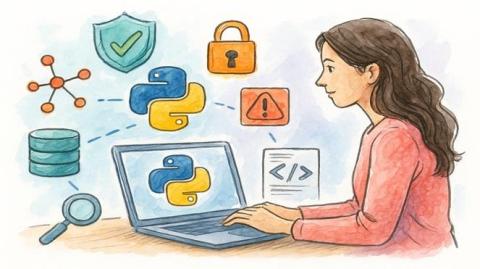
How Python Is Reshaping Cybersecurity Automation

Cybersecurity teams are overwhelmed. Systems are more complex, and data flows nonstop. As attack surfaces grow, real-time responses are not just ideal - they're necessary. Python is quietly becoming the backbone of security automation across many industries, and here's how.

User Logins for in-house Python Apps and Sites with Python Connectors

miniOrange connectors improve your Python apps' and sites’ security by implementing SSO, MFA, and user synchronization. With a wide range of protocol support like SAML, LDAP, and OAuth, miniOrange connectors will improve your security, effectiveness, and efficiency in your workflow. Securing Python applications and websites is made easier with miniOrange connectors. Timestamps: miniOrange, a trusted name in identity and access management, empowers organizations worldwide with robust, scalable, and secure solutions.