Security | Threat Detection | Cyberattacks | DevSecOps | Compliance

Using Python in Tines: a quick how-to guide

While you can build nearly anything in Tines without writing code, users occasionally prefer to use Python scripts to perform a step in their stories. The reasons for this vary, but we're happy to share that there's a simple way to securely execute Python scripts in Tines. So let's take a closer look at how it works, and talk through some best practices for using Python in Tines.

From code to clicks: My journey from Python to Tines

We recently weighed in on the debate between full-code, low-code and no-code automation. In this post, developer and sales engineer Jesse Strivelli shares his perspective on using the native Tines builder to create automated workflows. I've been immersed in the world of programming for years, having pursued a computer science degree at university and accumulating extensive experience in the field, primarily with major Fortune 500 companies.

Mastering Python virtual environments: A complete guide to venv, Docker, and securing your code

Python, as a versatile and widely used programming language, has an extensive ecosystem of modules and packages. As you navigate this ecosystem, it's important to understand the role of virtual environments. In this article, we will delve into what virtual environments are, why developers need them, and some common tools for creating Python virtual environments.

Escape Python's Stranglehold With AWS CLI

One thing we’ve consistently heard from our customers is that using legacy SOAR solutions to build AWS automations and workflows is complex and painfully slow. Why? Because legacy SOAR solutions typically use Python to do anything, and to make Python work for you, you have to be an expert in it. Python is often complex and requires writing scripts to execute most commands.

Command injection in Python: examples and prevention

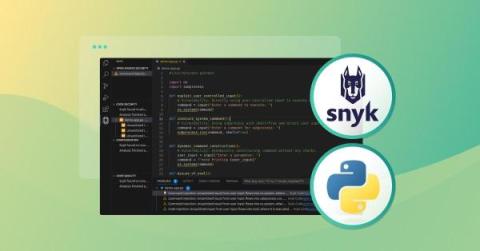
Despite Python's reputation for simplicity and versatility, ensuring the security of Python programs can be challenging if you or other team members neglect security best practices during development. Additionally, you’ll likely use libraries or other open source projects while building a Python application. However, these resources can introduce additional security issues that leave your program vulnerable to exploits such as command injection.

Top 3 security best practices for handling JWTs

In modern web development, JSON Web Tokens (JWTs) have become a popular method of securely transmitting information between parties. JWTs are used for authentication and authorization and are often used to store user information. However, with the increasing use of JWTs come potential security risks that developers need to be aware of. As a developer, you are responsible for ensuring that your application is secure and user data is protected.

Tines vs Python: Understanding alternative approaches to automation

We're sometimes asked, "Can you run Bash or Python scripts natively in Tines?" and today, we're sharing the answer, and weighing in on the debate between full-code, low-code and no-code automation. The short answer is yes, you can run scripts and linux commands natively in Tines, however, you might not necessarily want to. Many of our customers avoid doing so for security, usability and performance reasons. Let's take a closer look at some of these potential pitfalls.

Code injection in Python: examples and prevention

As software becomes increasingly integral to our professional and personal lives, the need to protect information and systems from malicious attacks grows proportionately. One of the critical threats that Python developers must grapple with is the risk of code injection, a sophisticated and often devastating form of cyberattack.

File encryption in Python: An in-depth exploration of symmetric and asymmetric techniques

In our modern world, we constantly share private, confidential, and sensitive information over digital channels. A fundamental component of this communication is file encryption — transforming data into an unreadable format using encryption algorithms.