How to Monitor for Cryptomining in the Cloud
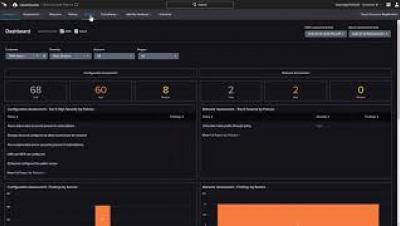
This video will demonstrate how Falcon Horizon’s policy assessments can help organizations identify suspect behaviors indicative of cryptomining attacks in their public cloud deployments.


The United States Department of State is offering a reward of up to $10 million for information leading to the identification of anyone, working for a foreign government, who participates in a cybercriminal attack against American critical infrastructure. The news of the reward comes at the same time as the White House announced it was setting up a ransomware task force following a series of high-profile attacks in the United States.
LDAP is a way for organisations to store user credentials and use them later. It provides access control as well as mechanisms to read and modify data. If the LDAP server isn’t properly configured or secured with another layer of protection, then it could be vulnerable to an attack called LDAP injection. However, you can only protect your applications if you: 1) know what LDAP is and 2) understand what can go wrong with it.
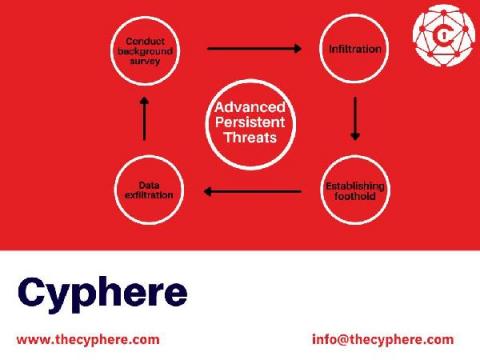
An Advanced Persistent Threat is a sophisticated (rarely) multi-staged attack carried out by skilled and well-organised threat actors such as organised cybercrime syndicates and nation-state actors. The majority of the times, Advanced Persistent Threats (APT) are nothing more than a fancy name with much more media frenzy around the topic of cyber attacks.
Kroll experts have noticed an increase in distributed denial of service (DDoS) attacks by cybercriminals seeking to turn a profit in two distinct incident types. First, many ransomware operators are now threatening and conducting DDoS attacks as an additional pressure tactic during the ransom negotiation process. Second, also known as ransom denial of service (RDoS), attackers threaten DDoS attacks that will take down an organization’s public-facing services unless a ransom is paid.
IndigoZebra is a Chinese state-sponsored actor mentioned for the first time by Kaspersky in its APT Trends report Q2 2017, targeting, at the time of its discovery, former Soviet Republics with multiple malware strains including Meterpreter, Poison Ivy, xDown, and a previously unknown backdoor called “xCaon.” Now, security researchers from Check Point have discovered a new campaign by Indigo Zebra, targeting the Afghan National Security Council via a new version of the xCaon backdoor, dubbed
On July 3, 2021, Kaseya reported1 a potential attack against its Virtual System/Server Administrator (VSA) that apparently had been limited to a small number of on-premises customers. Kaseya recommended an immediate shutdown of the VSA server until further notice. The small number of affected customers grew to thousands in just a few hours.
On the afternoon of July 2, 2021, Kaseya reported that it had been impacted by a ransomware attack affecting its Virtual System Administrator (VSA) product and advised users to shut down VSA servers immediately. Initial reporting indicates this was a well-orchestrated supply chain attack impacting about 60 managed services providers (MSPs) and up to 1,500 client organizations by leveraging a zero-day vulnerability (CVE-2021-30116).
On, July 2nd, a massive ransomware attack was launched against roughly 60 managed services providers (MSPs) by criminals associated with the REvil ransomware-as-a-service (RaaS) group. The attack leveraged the on-premises servers deployed by IT Management Software vendor Kaseya. It was initially thought that Kaseya might have been compromised themselves as a root cause -- similar to the compromises associated with SolarWinds software in December of 2020.