Security | Threat Detection | Cyberattacks | DevSecOps | Compliance

How to Create a Data Loss Prevention Policy: A Step-by-Step Guide

With an average of more than 5 data breaches globally a day, it’s clear companies need a way to prevent data loss. This is where a data loss prevention policy comes into play. A data loss prevention policy serves as a crucial safeguard against unauthorized access, data breaches, and compliance violations. This comprehensive framework outlines strategies and procedures to identify, monitor, and protect valuable data assets across an organization’s network, endpoints, and cloud environments.

Simplify and streamline identity security and management to protect your business using AWS Managed Microsoft Active Directory and One Identity Active Roles

Active Directory (AD) is the most prolific identity platform in the world. Like many companies already using AD on-premises, you may now be considering extending your identity environment to the cloud to create a hybrid landscape. There are many reasons behind this: resource constraints, strategy evolution, merger, acquisition or otherwise.

Introduction to Privileged Access Management (PAM): Device Authority and CyberArk's Integration

Privileged Access Management (PAM) is a comprehensive methodology for managing and securing privileged accounts—those that possess elevated permissions to perform critical functions within an organisation’s IT infrastructure. These accounts enable access to sensitive data and systems, making them highly attractive to cybercriminals. The core objective of PAM is to ensure that only authorised personnel have access to these accounts, under strict monitoring and control.

Building a unified identity management strategy using AD, Entra ID and Microsoft 365

We all know identity management and security are critical to hardening cybersecurity ecosystems. We also know that we can make it happen using the many features and functions across Active Directory (AD), Entra ID and Microsoft 365. The challenge is making sure these are deployed in a way that allows them to work seamlessly together, staying aligned even in environments where there’s fluidity and decentralization.

Why is an effective IPAM strategy crucial for enterprise networks?

As businesses expand, their networks become increasingly complex, encompassing on-premises devices, remote workstations, cloud services, and IoT devices. This growth, coupled with rising cloud adoption, puts immense strain on the process of maintaining a stable and secure infrastructure. In today’s hyper-connected world, even a brief network outage or security breach can result in significant financial losses, operational downtime, and reputational damage.

Apono's Series A Funding Fuels Leadership Expansion

Apono, the leader in privileged access for the cloud, today announced the appointment of Dan Parelskin as Senior Vice President of Sales and the hire of Stephen Lowing as Vice President of Marketing and Following the company’s successful Series A funding round in September, these appointments are significant steps forward for Apono as it positions itself to capitalize on the increasing demand for cloud privileged access solutions across markets.

Top Privileged Access Management (PAM) Solutions for Secure Access

The privileged accounts in your IT environment require special attention because they have elevated access to vital systems and sensitive data. The organization can suffer severe damage if they are misused by their owners or compromised in attacks. In addition, many compliance standards require organizations to maintain tight control over privileged access. Most organizations have hundreds or thousands of accounts with privileged access.

NIST: Time to end expiring passwords

Passwords are bad, and our whole industry is trying to move away from these simple strings granting access to our systems. But change is slow, and adopting newer standards is difficult, even if passwords are deeply problematic. Now, the National Institute of Standards and Technology (NIST) is updating the core standard for authentication – and it adopts the “new school” of password policies.

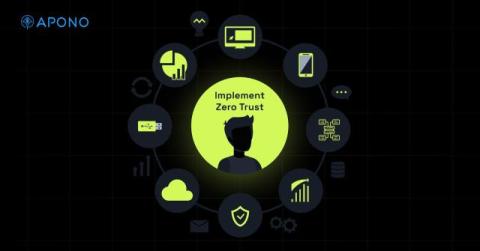
Building Zero Trust Security: A Full Implementation Roadmap for Businesses

Today's digital is fast-moving, and businesses face many security threats. Hackers are constantly trying to steal data, with companies often overlooking internal weak spots. The traditional ways of protecting business systems and data don't work anymore. That's where Zero Trust Security comes into play-a fresh approach that says, "Don't trust anything or anyone, unless you can verify they're safe.".