


|
By The Apono Team
A natural-language decision can now trigger a real API call, query sensitive data, deploy code, or modify infrastructure. MCP expands the security boundary beyond the connection to the identities, privileges, tools, credentials, and downstream systems behind each action. That challenge is growing with adoption. Anthropic reported more than 10,000 active public MCP servers by December 2025, alongside 97M+ monthly downloads of its Python and TypeScript MCP SDKs.

|
By The Apono Team
An old package or a misconfigured cloud storage bucket can be identified by a legacy scanner, but it does not account for the unique risk profile of autonomous systems. It cannot confirm that an AI agent with access to your production environment can chain together a CRM read, an email send and a production write using inherited credentials. Your agents are dynamic: they plan, call tools, and act across multiple environments, and some may retain context or long-term memory beyond the original request.

|
By The Apono Team
Security teams have spent years building visibility into unsanctioned SaaS apps, cloud services, and other forms of shadow IT. But shadow AI raises the bar. Discovering an unsanctioned AI app or autonomous agent is only the beginning. Teams also need to determine which identities it authenticates with, what credentials and permissions it relies on, what data it can access, which systems it integrates with, and what downstream actions it performs. The scale of the challenge is already becoming apparent.

|
By The Apono Team
Agent observability tools capture traces, metrics, logs, and evaluations across AI agent workflows. They help teams reconstruct execution paths, inspect tool calls and handoffs, diagnose failures, and monitor latency, cost, and output quality. This guide also covers complementary security platforms that discover agents, enforce runtime policies, or control the privileges agents receive. Agents don’t fail in straight lines.

|
By Elad Plachzinsky
Pull an access review on almost any Elasticsearch cluster and you’ll find the same thing: roles created for a migration two years ago, analyst accounts with broad read access to indices they queried exactly once, and service accounts nobody can quite explain. None of it was granted carelessly, and all of it is still there. That leftover access is the problem.

|
By The Apono Team
Static roles work until the environment changes. Authentication can confirm who or what is making a request, but it cannot determine whether that identity should perform a specific action under current conditions. As infrastructure, services, and AI agents evolve, permissions granted months ago rarely reflect what an identity actually needs to accomplish. Among companies planning to deploy agentic AI within two years, only 21% report having a mature model for agent governance.

|
By The Apono Team
Agentic AI security solutions help teams discover, govern, monitor, and control AI agents, copilots, LLM apps, MCP servers, and autonomous workflows. For security and DevOps leaders, they matter because agents can act across production systems. This guide compares leading tools and explains how to choose the right fit. AI agents are moving from assistants to actors.

|
By The Apono Team
AI agent authentication is the process of verifying that an autonomous agent is the identity it claims to be before it interacts with infrastructure, applications, APIs, or data. Because agents often act on behalf of users, services, or workflows, authentication must be paired with delegated context and downstream authorization controls that determine what the agent is allowed to do, which resource it can access, and how long that access should last.

|
By The Apono Team
AI governance tools help organizations manage model risk, enforce compliance policies, and control what AI systems can do.

|
By The Apono Team
Dynamic access management replaces long-lived permissions with access that adapts to the user, task, resource, and level of risk. This guide explains how dynamic access decisions work, how they differ from traditional role-based models, and where they provide the most value across production environments, cloud infrastructure, databases, and machine identities.

|
By Apono
Apono announces the launch of our Admin MCP (Model Context Protocol), a new tool that simplifies organizational access management through natural language queries. The product works with MCP-supported clients like Claude and Cursor, allowing administrators to quickly answer access questions without manually navigating through dashboards and permissions. This demo shows how users can instantly check if someone can access database resources or get comprehensive audit reports for AWS production accounts.

|
By Apono
Dynamic roles beat pre-created roles. Many “API-based” tools still depend on static roles, which are slow to set up, brittle as things change, and often over or under privileged. Apono creates roles on demand, scoped to the task and auto expiring for zero standing permissions, so teams move fast with least privilege.

|
By Apono
Here’s a streamlined version: Introducing Apono Access Assistant, our AI companion that speeds up access requests without sacrificing security. It handles three scenarios: mapping tasks to the right permissions, showing you what resources you can reach, and diagnosing permission errors. In this demo you’ll see it resolve an S3 access issue in seconds by creating a temporary read‑only role and revoking it when you’re done.

|
By Apono
Apono’s Slack integration lets engineers request scoped, least‑privilege JIT access right from Slack—no tickets, no context switching. You’ll see how it creates and tears down access roles automatically while logging every action, so your team stays productive and compliant without sacrificing security. Ready to eliminate standing privileges? Try Apono with Slack today.

|
By Apono
See how Apono's Cloud Access Security Platform enables teams to automatically assign their resources to the right access provisioning process based on their risk and usage. This ensures that all resources receive the security they need while empowering the business to work freely without undue friction.
|
By Apono
Hear Labelbox’s Sr. DevOps Engineer Aaron Bacchi share his experience of building out a smarter break-glass infrastructure to respond to incidents by using PagerDuty and Apono.
|
By Apono
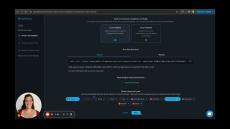
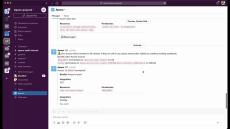
A 2-minute demo on how super simple it is to approve access requests on Slack with Apono.
|
By Apono
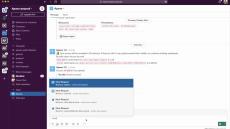
Apono's just-in-time access governance solution supports requesting – and approving – access to cloud resources directly within Slack. Bonus: It’s really, really simple.

- September 2026 (3)
- August 2026 (4)
- July 2026 (5)
- June 2026 (5)
- May 2026 (5)
- April 2026 (12)
- March 2026 (9)
- February 2026 (12)
- January 2026 (10)
- December 2025 (10)
- November 2025 (12)
- October 2025 (4)
- September 2025 (10)
- August 2025 (4)
- July 2025 (7)
- June 2025 (3)
- May 2025 (3)
- April 2025 (1)
- March 2025 (2)
- February 2025 (3)
- January 2025 (2)
- December 2024 (3)
- November 2024 (4)
- October 2024 (3)
- September 2024 (1)
- August 2024 (3)
- July 2024 (4)
- June 2024 (4)
- May 2024 (5)
- December 2023 (1)
- November 2023 (3)
- October 2023 (2)
- September 2023 (5)
- May 2023 (1)
- March 2023 (1)
- February 2023 (2)
- January 2023 (1)
Securely manage permissions and adhere to compliance requirements, while allowing employees to benefit from a frictionless user experience.
Apono, led by cybersecurity and DevOps experts. “Apono” is the Hawaiian word for “approve”. The Apono platform is loved by DevOps, trusted by Security - supports customers like OpenWeb, Cybereason, HiredScore, Tomorrow.io and many more in automating permission management. Providing a frictionless experience for users with the visibility and compliance needed by security to win more business.
Turn Manual Permission Management Into Automated Contextual Access Flows:
- Remove Permission Bottlenecks: Turn manual permission management tasks to automated contextual Apono Access Flows.
- Leave No Permissions Behind: Take advantage of auto-expiring permissions.
- Satisfy Customer Requirements: Grant access to specific namespaces or resources with a comprehensive audit log.
- Prevent Human Errors in Production: Tailor access duration and resources to the task at hand.
Automatic granular permissions needed to keep your business running and secure.