Security | Threat Detection | Cyberattacks | DevSecOps | Compliance

Compliant until breached: The case for Digital Identity

If organizations are complying with their regulatory obligations, why are they still being breached? This obvious question exposes a paradox at the heart of everything we do in cybersecurity. It seems that the more we regulate, the more compliance requirements and frameworks we produce, and the more we nurture cybersecurity awareness, the more cyber incidents we face. What’s going on? Where’s the cause and where’s the effect?

Understanding the business benefits of PAM: Beyond IT security

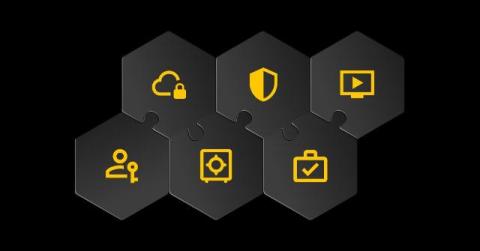
In today's fast-paced digital environment, organizations face a growing need to protect sensitive systems and data while maintaining operational efficiency and driving productivity. One Identity Safeguard, a comprehensive Privileged Access Management (PAM) solution, not only addresses security concerns, but also offers significant business advantages that go beyond basic compliance and risk mitigation.

The Top 6 PAM Features That You Actually Need

Privileged Access Management (PAM) is a subset of Identity and Access Management (IAM) that specifically addresses controlling access for users who work with the most sensitive systems and data within an organization, such as IT, information security and DevOps personnel. Among other tasks, PAM enforces the principle of least privilege, which grants users the minimum level of systems and data access they need to do their jobs.

Revolutionizing Privileged Access Management With KeeperPAM

According to the 2024 Verizon Data Breach Investigations Report, 75% of cyber attacks involve exploiting compromised privileged credentials, making privileged access one of the most sought-after attack vectors. Additionally, 60% of organizations cite insider threats as the primary cause of data breaches, highlighting the critical need to secure privileged accounts against both external and internal threats.

Benefits of moving to SaaS IAM solutions

Once upon a time, ordering software would involve a physical delivery with a manual setup and availability on designated machines. The rise of cloud technology changed all that, with subscription-based SaaS growing 300% during 2012–2018. This shift in business model, from owning software to renting it, also meant a change in provisioning. Instead of relying on internal resources and expertise, organizations could simply tap into their external partners and providers.

Kubernetes Secrets: How to Use Them Securely

Storing sensitive values is a problem as old as software itself. In 2016, Uber experienced a massive data breach that exposed 57 million users’ personal information—all traced back to a hardcoded AWS credential discovered in a GitHub repository. While we have successfully established that hardcoding secrets such as API keys and passwords is bad practice, correctly storing them is a different story, and the issues from 2016 are still prevalent today (8 years later…).

Simply AD group management

Managing AD group membership using native tools can quickly become overwhelming. However, most cybersceurity insurance policies and compliance standards also mandate a regular review and recertification of group memberships to avoid huge penalties. Eric Hibar, One Identity solutions engineer, explains the best path forward to solve your group management headaches.