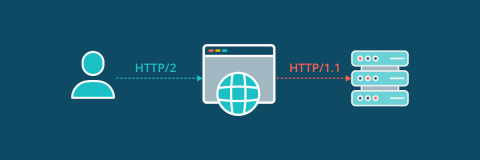
During a recent penetration test on a customer application, I noticed weird interactions between the web front-end and back-end. This would eventually turn out to be a vulnerability called HTTP request smuggling, enabled by the fact that the front-end was configured to downgrade HTTP/2 requests to HTTP/1.1. With the help from my colleague Thomas Stacey, we were able to construct an exploit chain with response queue desynchronization along with traditional HTTP/1.1 request smuggling techniques.
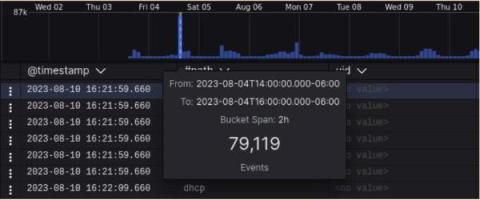
In this blog, I’ll share a few NetOps observations of the Black Hat network that I made during my time serving in the Black Hat Network Operations Center (NOC). My hope in doing so is to spark some ideas on how you can use an existing tool like Zeek for a new purpose. These insights were particularly revealing, despite not being linked to any security incidents.
I hate spiders, a lot. But I really hate the idea of a Scattered Spider Attack which can jump between environments that you may have believed were segmented at an alarming rate. That is the stuff of real nightmares for networking and security professionals. Keeping up with your security posture isn’t easy. We’re all doing our best, but is it good enough? One CISO we talked to hired a consulting firm to map out their security posture.