Security | Threat Detection | Cyberattacks | DevSecOps | Compliance

Redefining Security Investments: SAST Scans and DFPM

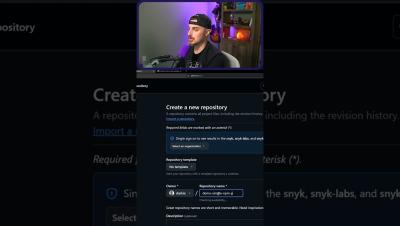
In today's ever-evolving digital landscape, teams must have a strong understanding of the security measures that will work best for their environment and how to implement them. During this event, we explore the benefits of utilizing SAST scans and DFPM (Data Flow Posture Management) tools to create robust security guardrails for your organization. Hear from Anirban Banerjee, CEO and Co-founder of Riscosity, and Milan Williams, Sr. Product Manager at Semgrep, as they dive into how teams can approach security investments starting with SAST scans and data flow security.

Wondering why someone's location won't update on Find My Friends? Discover common reasons and practical solutions to fix location not updating on iPhone

If you've ever wondered, "Why isn't someone's location updating on iPhone? " You're not alone. Many users face this issue with the Find My Friends app, which can be frustrating. When Find My Friends is not updating its location, it raises concerns about connectivity or privacy settings. Click here for more details on troubleshooting this.

Customize Your Team's Remediation Messages In ggshield

We are very proud to announce that you can now easily provide your own custom remediation messages in ggshield, the GitGuardian CLI. Earlier versions of ggshield offered the same general remediation advice to all users if a secret was detected when using git hooks for automated scanning.

Disable SSLv2: When older is not better

Secure Sockets Layer (SSL) is a technology that encrypts data sent between a user's browser and a website or application on a server. The purpose of SSL is to secure the information preventing eavesdropping and tampering. Originally released in 1995, SSLv2 is a protocol used to encrypt data sent over the internet, ensuring that the information remains private and secure.
Featured Post

The path of least resistance to Privileged Access Management

Privileged Access Management (PAM) has been around for more than 20 years taking critical accounts and putting them into a vault to ensure only select individuals could access them securely. Since then, PAM has evolved and now focuses on controlling the access itself which means preventing broad access to specific data and providing insight into who has access and when an account has been accessed. Privileged accounts have traditionally been given to administrators to access critical data and applications.

The Best Practices for Implementing Zero Trust Access Management

Zero trust access management is a cybersecurity approach that never trusts any user by default. Instead, it requires verification for every access request, regardless of whether it comes from inside or outside the network. This method ensures a higher level of security by continuously validating user identities and device statuses.

How Cyber Threats Impact Route Optimization

In 2024, cyber threats cast a shadow over how we navigate roads. Imagine hackers hijacking smart vehicles or manipulating traffic grids to cause chaos. You might wonder how route optimization software keeps you safe and efficient amidst these risks. Here's where enterprise solutions shine. They fortify GPS technology against potential intrusions. But there's more than just defense; they enhance your fleet's performance too.

7 firewall management best practices in 2024

Firewalls act as the first line of defense, filtering network traffic and blocking malicious activities to safeguard sensitive data and systems. However, setting up a firewall is just the beginning. To ensure it provides optimal protection, it’s essential to implement certain practices for ongoing management. Firewall management involves a series of critical processes to ensure that the firewall operates effectively and provides comprehensive protection against cyberthreats.

Weekly Cyber Threat Intelligence Summary

Welcome to this week’s Cyber Threat Intelligence Summary, where we bring you the latest updates and insights on significant cyber threats. This edition covers the SuperShell malware targeting Linux SSH servers, an in-depth analysis of three Chinese-linked clusters responsible for cyberattacks in Southeast Asia, and CitrineSleet exploiting a zero-day Chromium vulnerability.