Security | Threat Detection | Cyberattacks | DevSecOps | Compliance

Best Practices to Tackle Cybersecurity Challenges in Custom Enterprise Software

Businesses heavily rely on custom enterprise software to handle tasks like customer relationships, finance and accounting, or data analytics. Enterprise solutions from reliable developers like GP Solutions offer some much-needed flexibility. The catch is that they can introduce unique security risks, such as unvetted custom code, misconfigurations, and weak or inconsistent security controls. Here's the good news: Enterprises can avoid these challenges early on if they understand the proper security measures to implement.

Why ANZ Technology Leaders Are Rethinking How AI, Speed, and Security Intersect

The pace of technological change is always fast, but with AI everywhere, things have gone into overdrive. In Australia and New Zealand, businesses plan to spend heavily on generative AI—about $15 million on average, more than the global average. This puts immense pressure on technology, security, and engineering leaders. They must innovate quickly, but they also face complex risks from AI. This is forcing them to rethink how speed and security can work together.

Unlocking time and budget for teams with security automation

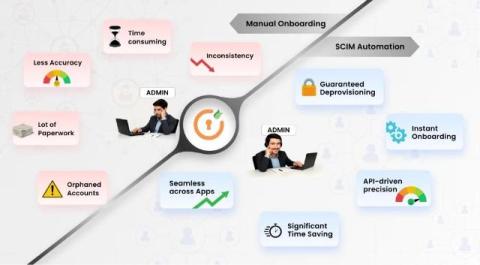
As security threats become increasingly sophisticated and the landscape of cyber attacks evolves, organizations are compelled to reexamine their investments and strategies in cybersecurity. One critical lever for improving security effectiveness and efficiency is automation. When implemented correctly, automation enables security teams to unlock significant time and budget savings, making them more agile, resilient, and proactive in combating threats while reducing the burden of routine tasks.

16 Types of Endpoint Security Risks To Watch Out For

You’ve likely heard horror stories of major companies falling victim to devastating cyber attacks. As of 2023, the average cost of a data breach rose to $9.48 million. The common thread? Many attacks start by exploiting vulnerabilities in endpoints – laptops, smartphones, servers, and other networked devices connected to your systems or corporate networks.

AI Photography: Reshaping Visual Creation Through Intelligent Technology

The emergence of artificial intelligence in photography has fundamentally transformed how we capture, create, and manipulate visual content in the digital age. These sophisticated AI systems can generate photorealistic images from textual descriptions, enhance existing photographs, and even create entirely synthetic visual content that rivals traditional photography methods. Understanding both the revolutionary potential and serious implications of AI photography technology becomes crucial as these tools become increasingly accessible and sophisticated..

Squish the Phish: 6 Automated Phishing Response Strategies

Despite being around for over 30 years, phishing is a bigger problem than ever for today’s SOCs. Phishing attacks have skyrocketed by 4,151% since the emergence of ChatGPT in 2022, leaving security teams drowning in phishing alert noise. And rather than getting better at recognizing phishing emails, humans are seemingly getting worse, in part due to the increasing phishing sophistication and customization at scale that GenAI offers.

How Browser-Level Signals Help Prevent Credential Stuffing Attacks

Credential stuffing attacks are one of the most persistent and damaging account-based threats facing security teams – and one of the hardest to detect. In 2024, Akamai, a global leader in content delivery and cybersecurity, reported more than 26 billion credential stuffing attempts globally every month – a staggering volume that’s not slowing down. Most enterprises rely on server-side, post-login detection, which captures only successful login attempts.

Is Azure DevOps Down? How To Ensure Resilience

With the growing popularity of Azure DevOps comes an increased need for proper security of data being stored there. A large aspect of ensuring the security of Azure DevOps ecosystems lies in facilitating data resilience. This means to guarantee the availability to protect, keep, and recover data in case of any disruptions, both intentional and accidental.