The latest MGM Resorts ransomware attack demonstrates why cyber insurance is critical as part of a multi-layered security strategy. In our last blog, we discussed the recent Las Vegas cyber incidents and how no organization is completely safe. The original cyber incident at MGM Resorts occurred on September 10, 2023 — nearly two weeks ago now – and the company and its valued customers are still feeling its effects.
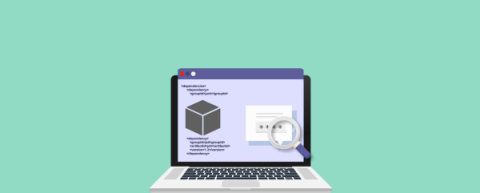
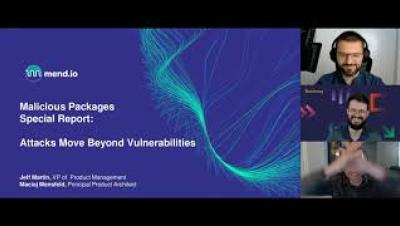
Malicious packages consist of software embedded with code that is capable of causing harm to an entire system or network. This is a rapidly growing threat affecting open-source software and the software supply chain. This attack method has seen a nearly 12,000% increase from 2022 to 2023, as reported by Synk. Some reasons include its technical feasibility, the potential for high returns, and the widespread distribution of open-source offerings, Common types of malicious packages encompass.
Save The Children is an organization that specializes in helping children live healthy lives. The non-profit works in multiple countries, helping to provide for children's needs, especially in areas affected by war or tragedy. This organization was recently the target of a ransomware hacker group and suffered huge data losses as a result of that targeting.
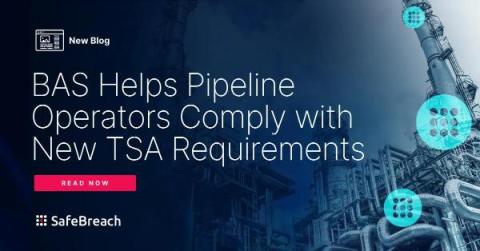
In July of this year, the Transportation Safety Administration (TSA) released Security Directive Pipeline-2021-02D (SD-02D) Pipeline Cybersecurity Mitigation Actions, Contingency Planning, and Testing. The directive—aimed at owners and operators of liquid and natural gas pipelines or facilities designated as critical infrastructure—outlines requirements for enhancing cyber resilience through the implementation of a TSA-approved cybersecurity implementation plan (CIP).