Security | Threat Detection | Cyberattacks | DevSecOps | Compliance

What Is a Pretexting Attack?

A pretexting attack is a type of social engineering attack where the threat actor persuades their target into revealing sensitive information or sending them money by making up a story, hence the word “pretext.” Pretexting attacks can come in many different forms including a phone call, text message, email or even in person.

Compromised Credentials: Tactics, Risks, Mitigation

The theft of users’ credentials is a growing industry. The market for compromised credentials is vast and has huge potential due to: These factors have created a lucrative market for cybercriminals who are able to steal credentials and sell them on the black market. The stolen credentials can then be used to access personal and financial information, commit identity theft, or launch other cyberattacks.

A Tale of Two States and Counties: How Whole-of-State is Shaping the Future of Cybersecurity

We all know that cyberattacks in the public sector are mounting. Over 100 state and municipal governments and dozens of school districts were compromised by ransomware last year. And geopolitical tensions will only embolden both state-linked and financially motivated threat actors going forward. These are uneasy times for cybersecurity leaders at these government and education sector entities. But help is at hand.

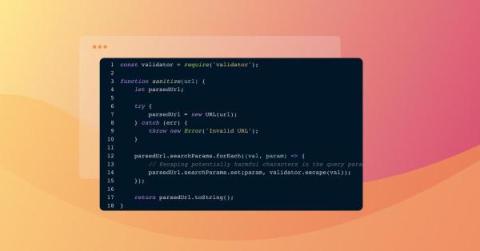
Hunting For Password Reset Tokens By Spraying And Using HTTP Pipelining

As is tradition with my blog posts, let’s start off a definition of what HTTP pipelining is all about. “HTTP pipelining is a feature of HTTP/1.1 which allows multiple HTTP requests to be sent over a single TCP connection without waiting for the corresponding responses. HTTP/1.1 requires servers to respond to pipelined requests correctly, with non-pipelined but valid responses even if server does not support HTTP pipelining.

How Large is Your Target? Advice for the Smallest Businesses

Most cybersecurity professionals will often try to cybersplain the importance of protection to their friends. In most social circles, many of the businesses that people work in are small businesses. Perhaps you are the owner of a small delicatessen, a dry cleaner, or you run a yoga studio, or some similar individually owned operation.

New vulnerability could lead to one of world's most powerful cyber attacks

The other week, Bitsight released a piece of high-profile research alerting the public to a high-severity vulnerability potentially allowing attackers to launch one of the most powerful Denial-of-Service (DoS) attacks in history. Here’s a summary of what happened and why it matters: Security leaders are asking “now what?” and Bitsight has answers.

The Growing Number of Cyber Attacks on Australian Hospitals and Healthcare Providers

Cyber attacks on Australian hospitals and healthcare providers are becoming a more frequent occurrence. The Australian Cyber Security Centre, the ACSC, has recently warned healthcare providers in Australia of an increased number of cyber attacks aimed at the healthcare industry. The ACSC has identified ransomware and other cyber attack methods as leading to dangerous breaches of sensitive hospital data, which can have widespread ramifications if not addressed and preempted.

What is Doxxing?

Doxxing, also spelled doxing, is when a threat actor publishes Personally Identifiable Information (PII) about their target online. This can include publishing the target’s place of employment, home address, credit or debit card numbers and any other sensitive information. The purpose of the threat actor publishing another person’s PII varies, but most commonly has to do with harassment.

How to protect yourself from a rainbow table attack with the help of MFA

Since 2013, World Password Day has been celebrated on the first Thursday of May and aims to foster better password habits. This event reminds us that passwords are the main guardians of our digital identities and that we must implement complex passwords such as passphrases capable of protecting us. In 2022 alone, 721.5 million exposed credentials were leaked online. As a result of these leaks, account takeover attacks (ATOs) are on the rise.