Security | Threat Detection | Cyberattacks | DevSecOps | Compliance

Improve your AWS security posture, Step 2: Avoid direct internet access to AWS resources

In the first blog in this series, we discussed setting up IAM properly. Now we’re moving on to the second step, avoiding direct internet access to AWS resources. When AWS resources like EC2 instances or S3 buckets are directly accessible via the Internet, they are vulnerable to attack. For example, brute force attacks on SSH login, denial of service (DOS) attacks on server resources via Layer 3, 4, or 7 flooding, or the inadvertent disclosure of data on an S3 bucket.

Self-Hosted vs. Cloud-Based Password Manager

A few customers have asked about the pros and cons of a self-hosted password management solution, such as Bitwarden. Since I have a lot of experience with this topic, I thought I would share some of the key reasons to use a cloud-based password manager like Keeper, instead of a self-hosted password vault.

Tigera 2023 predictions: Cloud native security and the shifting landscape in 2023

Cloud computing and the use of cloud native architectures enable unparalleled performance, flexibility, and velocity. The speed of innovation has driven significant advancements across industries, but as digitalization continues pushing applications and services to the cloud, bad actors’ intrusion techniques have also become more sophisticated.

7 AWS Security Tools for 2023

AWS (Amazon Web Services) allows businesses to quickly and securely build and scale applications. Hence, there is exponential growth in AWS usage among businesses and organizations. For example, As of 2020, AWS held 76% of enterprise cloud usage, reflecting the power and importance AWS holds. This increased use of AWS tools and services opens new doors for cyber attackers. However, AWS is a very reliable cloud service provider that works hard to ensure protection over its infrastructure.

Cloud Asset Inventory and Visualization

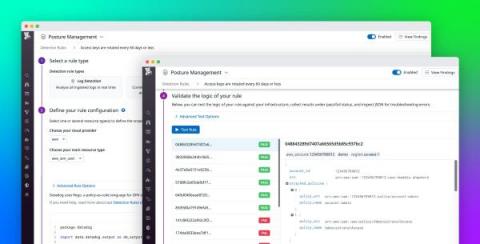
Track your cloud asset inventory at a high level in one view and continuously monitor your cloud assets and investigate details about individual assets in the Cloud Assets table and graph. The Asset Inventory Overview shows top counts, trends, detections, and more across multiple clouds. Filter the widgets to see the info you want, and click areas in the widgets to see details in the Cloud Assets table.

AWS hit by Largest Reported DDoS Attack of 2.3 Tbps

A significant milestone occurred with the reported largest DDoS attack on Amazon Web Services (AWS) reaching 2.3 terabits per second. This is a substantial increase of 70% from the previous record holder, the Memcached-based GitHub DDoS attack in 2018, which measured 1.35 terabits per second. Over the years, these attention-grabbing performance gains in DDoS attacks have been rising consistently, with major high-profile attacks happening every two years.

Cloud Risk Assessment Checklist: 7 Steps

Cloud computing is a powerful service, but securing its assets proves to be a difficult task by even the largest companies in the world. The average cost of a cloud breach is around $4 million, and it is vital that cloud workloads are as secure as possible. This article will explain cloud security and provide seven steps organizations should take when conducting their cloud risk assessment.

Netskope IoT Security

Netskope IoT Security uncovers managed and unmanaged connected devices on both the radio and network spectrum and generates deep device-level contextual intelligence for device classification, asset management, dynamic risk assessment, segmentation, and access control, mitigating IoT-related threats and addressing the hidden attack surface created by the connected devices.

Three easy steps to dramatically improve your AWS security posture: Step 1, set up IAM properly

Have you ever heard the saying that the greatest benefit of the cloud is that limitless resources can be spun-up with just a few clicks of the mouse? If so, you would be best served by forgetting that saying altogether. Just because cloud resources can be spun-up with a few clicks of the mouse does not mean that they should be. Rather, prior to launching anything in the cloud, careful consideration and planning are a necessity.