Security | Threat Detection | Cyberattacks | DevSecOps | Compliance

The We're All Gonna Die Episode: AI Doomsday Myths & Real Risks | Attempted Intelligence Ep. 3

Is artificial intelligence really going to end humanity, or are Hollywood tropes distracting us from the actual threats facing enterprise tech today? In Episode 3 of Attempted Intelligence, hosts Harlan Parrott (VP of AI Innovation at KnowBe4) and Matt Duren (SVP of Engineering for AI & Data) investigate the biggest fear surrounding artificial intelligence: the existential doomsday scenario. Using a classic detective framework, Harlan and Matt put the theory on trial by examining whether AI has the means, motive, and opportunity to wipe out humanity.
PHP2Shell is in CISA KEV: why runtime visibility matters

Five days after PHP shipped the fix, CISA added both PHP2Shell flaws to its Known Exploited Vulnerabilities (KEV) catalog. Federal civilian agencies have until October 29 to remediate. Last week’s question was whether attackers could turn the flaws into working shells. This week’s question is which of your images and hosts still run an affected PHP build, and who can fix each one.

Social Engineering Attacks Against Businesses: Examples, Risks, and Prevention

Social engineering attacks differ from other cyberattacks most businesses face. In this type of attack, attackers exploit human trust rather than depending only on technical vulnerabilities. They impersonate employees or business partners to trick people into sharing sensitive information or transferring money. In some cases, they are also granted unauthorized access to company systems.

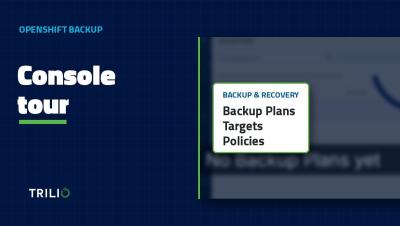
Kubernetes backup console tour: backup plans, targets, policies | Trilio for Kubernetes

A tour of the Trilio for Kubernetes management console on OpenShift, so you know where everything lives before you create your first backup target and backup plan. You will see: Chapters Recorded on Red Hat OpenShift 4.21 with Trilio for Kubernetes 5.4.1.

What Is Penetration Testing? Types, Stages and How Often to Test

Every business with a website or email accounts has weak spots, and penetration testing helps you find them before an attacker does. Security experts try to break in the way a real hacker would, so you can see whether your defences hold up. The test itself is only the start. How often you test and what happens with what the testers find, decides whether a report makes you any safer. Both are worth knowing before you compare penetration testing services.

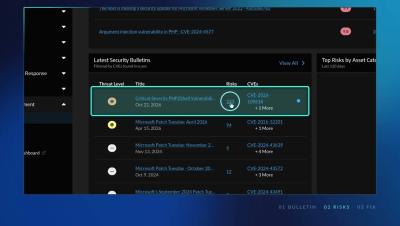
Is My Organization Exposed to PHP2Shell? See It in Aurora Vulnerability Management

PHP2Shell is two unauthenticated remote code execution (RCE) flaws with public exploit code. As AI speeds up the path from vulnerability to exploit, security leaders keep asking two questions. Are we exposed? And what do we fix first? This walkthrough shows how Aurora Vulnerability Management from Arctic Wolf answers both.

Why AI Text Detectors Fail and What to Use Instead

Somebody in the organization will eventually propose running documents through an AI text detector. The instinct is reasonable and the method is the one approach the published evidence rules out, for reasons a security or risk function should understand before the policy gets written. ‍ The organization that built the most widely used language model tried this and withdrew its own tool after six months. Its reason was accuracy, and the figures it published before withdrawing explain why. ‍

Never Bring a Knife to a Gun Fight!

In the world of cyber incident response, experience teaches one truth over and over again: speed matters, precision matters, and coordination matters. But perhaps one of the most overlooked lessons, often learned the hard way, is this: Choosing the right legal counsel is just as critical as selecting the right Digital Forensics and Incident Response (DFIR) firm.