Security | Threat Detection | Cyberattacks | DevSecOps | Compliance

The Latest Cybersecurity News & Insights From Around The World


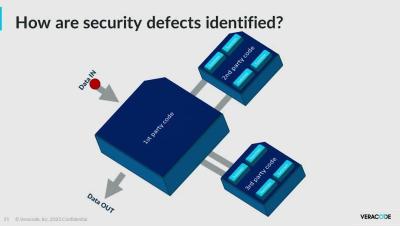
AI - Boon or Bane for Appsec
Are you ready to dive into the world of application security and artificial intelligence? Watch the exclusive talk by the renowned Julian Totzek Hallhuber, Solutions Architecture Manager at Veracode, during Mind the Sec 2023 in Brazil. In this engaging talk, Julian explores the advantages and disadvantages of using AI in the AppSec landscape and discovers how AI is revolutionizing the way we protect our applications from constantly evolving cyber threats.

Recovering From a Security Breach
Productivity expert @MikeDeeOfficial shares the steps he took to protect his online accounts after a data breach left them exposed.

How to Ensure Proper Managed Detection and Response Coverage, Even with Rapid Onboarding
Managed detection and response (MDR) providers often tout how quickly they can onboard new clients, and rapid onboarding can indeed be essential in many instances, but speed is not always paramount. What is crucial for long-term peace of mind is to configure the MDR service for robust detection of threats and protection of all your critical assets. This scope-of-coverage aspect can get lost as MDR providers promise to onboard clients in ever-tightening timeframes, including self-service onboarding.

Cybersecurity Documentation Essentials
This is Part 3 in my ongoing project to cover 30 cybersecurity topics in 30 weekly blog posts. Creating documentation for anything is perhaps the least interesting job any employee has, but there are plenty of good reasons to do it. Let’s discuss the whys and hows of effective cybersecurity documentation.
Data Classification Guide and The NIST Classification Levels
One of the biggest challenges for a business with any sort of information security needs is ensuring proper handling of that information. With hundreds of data breaches, large and small, happening every single year, you don’t want to be a statistic. More than that, though, if you’re working on a government contract and using a framework like HITRUST, HIPAA, or FedRAMP, you need to adhere to high standards.

Transforming Workplaces: The Power of Hybrid Infrastructure with Matt Graham | Brivo
Dive into the future of workplace optimization with Matt Graham as we explore the transformative power of connected hybrid infrastructures. In this enlightening video, Matt unveils how integrating and correlating data through Brivo's innovative solutions not only enhances security but also makes workplaces more engaging and efficient. Discover the key to unlocking a more attractive and productive work environment, and see firsthand how Brivo is leading the charge in smart spaces technology. 🚀✨
How Nucleus Security Streamlines Vulnerability Management for Government Agencies
Nucleus Security is proud to announce its recent achievement of Federal Risk and Authorization Management Program (FedRAMP®) authorization at impact level Moderate, making it the go-to choice for government agencies seeking top-tier vulnerability management solutions.

HIPAA Risk Assessment : Turn Threats into Opportunities for Stronger Compliance
Welcome to our latest webinar recording on “HIPAA Risk Assessment: Turn Threats into Opportunities for Stronger Compliance”, presented by VISTA InfoSec. This webinar provides an in-depth understanding of the Health Insurance Portability and Accountability Act (HIPAA) and the crucial role of a #hipaa Risk Assessment in ensuring HIPAA compliance. It aims to help organizations identify potential risks and transform them into opportunities for stronger compliance.
CyCognito Recognized as Leader in the GigaOm Radar for Attack Surface Management 2024
“Our report reflects CyCognito’s innovative approach to asset discovery and vulnerability assessment taken, while maintaining a solid foundation in the mature platform space. This placement indicates not only a commitment to advanced ASM solutions but also a keen focus on evolving and adapting to the changing digital landscape rapidly.”