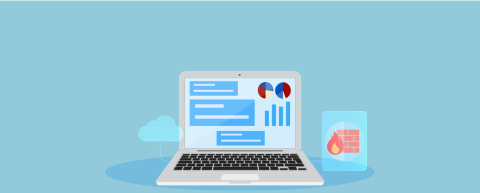
Firewall technology for network security has undergone considerable advancement with the introduction of cloud computing and the vanishing network perimeter with hybrid and multi-cloud environments. All along this transformation one thing that did not change is the way endpoints are identified – through the TCP/IP stack, specifically the IP address. This design principle needed a change for container-based applications. How did the NGFWs fare?
Lock the doors inside your home, hand out keys sparingly, then turn on an alarm in every room. Your house will get a lot more secure. However, it will also become unlivable. Tight security policies, access conditions, and subnetting configurations can take away risk but even mature Zero Trust Architecture (ZTA) environments must balance cybersecurity with usability.
In our increasingly interconnected world, wireless networks have become the lifeblood of modern communication and productivity. However, this convenience comes with a price – the heightened risk of wireless attacks. In this in-depth blog, we will delve into the technical intricacies of safeguarding your network against wireless threats. Armed with this knowledge, you can confidently defend your wireless infrastructure against potential attackers.
Businesses have increasingly turned to Secure Services Edge (SSE) to secure their digital assets and data, as they undergo digital transformation. SSE secures the network edge to ensure data privacy and protect against cyber threats, using a cloud-delivered SaaS infrastructure from a third-party cybersecurity provider. SSE has brought numerous advantages to companies who needed to strengthen their cyber security after undergoing a digital transformation.
A typo is one of those common mistakes with unpredictable results when it comes to the Internet’s domain names (DNS). In this blog post we’re going to analyze traffic for exmaple.com, and see how a very simple human error ends up creating unintentional traffic on the Internet. Cloudflare has owned exmaple.com for a few years now, but don’t confuse it with example.com!
By default, traffic leaving a Kubernetes cluster lacks a meaningful network identity, making it challenging to associate it with its source workload. This is an issue because, in an on-premises infrastructure, companies rely on firewalls, for example Sophos Firewall, to inspect this traffic which loses its identity as soon as it leaves the cluster.