eyeSight Admin API
Introduced in eyeSight release 8.4, the "Admin API" provides the ability to automate management of "Segments" as well as "Passive & Ignored IP Groups"


From smartphones to smart fridges, the Internet of Things is producing more and more devices that are meant to be connected to a Wi-Fi network. The average household was expected to own 50 connected devices in 2021, up from just 10 devices the year before. With so many gadgets living on your home network, it’s never been more important to ramp up your Wi-Fi security.
What matters most in a criminal trial? Evidence. Everything depends on the quality and depth of facts deployed to build a case for innocence or guilt. Without compelling evidence, no jury can draw accurate conclusions.
The wealth of sensitive personal and financial data managed by hospitals and health systems, coupled with known cybersecurity vulnerabilities, makes the healthcare sector an inviting target for cyberattacks. In the last three years, 93% of healthcare organizations have experienced a data breach, and 57% have had more than five breaches.
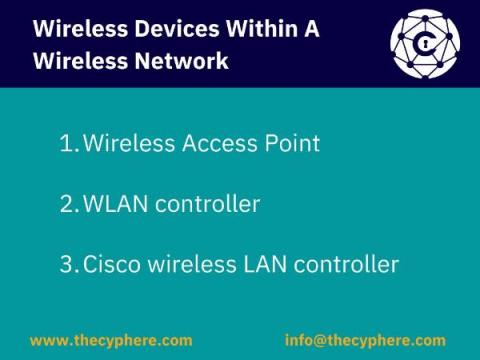
Imagining a time without internet access at every point of life seems unimaginable now. The internet has been the greatest boon of the 21st century, and with wireless networking, man has progressed in leaps and bounds. It has ensured high efficiency, greater time management, increased productivity and lesser mess (no copper wires lying around). From homes to offices, students to working professionals, Wi-Fi is everyone’s go-to choice.
Time is money, especially when it comes to the cloud. Fast resolution of performance issues is a must to ensure business continuity and positive customer experiences. But your network and security teams can’t start working with cloud providers to resolve issues if they’re stymied by blind spots in their efforts to prove network innocence. Every company with a hybrid multi-cloud environment has struggled with visibility in the cloud.
In recent weeks President Biden issued a statement encouraging organizations to level up their cyber defenses in what he called “a critical moment to improve domestic cybersecurity and bolster national resilience.” The following week, the federal budget proposal for FY2023 was released with a nearly $11 billion line item for cybersecurity measures.