Security | Threat Detection | Cyberattacks | DevSecOps | Compliance

Advanced Network Traffic Analysis: Machine Learning and Its Impact on NTA

Machine Learning (ML) has revolutionized industries by empowering systems to learn from data, make predictions, automate decisions, and uncover insights—all without the need for explicit programming. With ML, systems can: In network security and cybersecurity, ML and other emerging technologies are crucial for detecting malicious activities such as unauthorized access, data breaches, and other complex security threats.

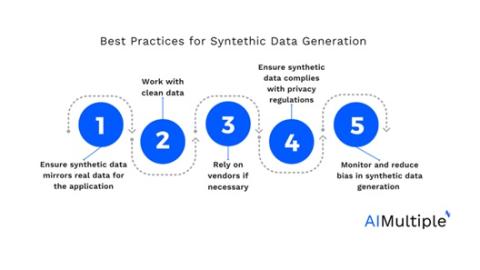
Ensuring Data Privacy in Machine Learning: The Role of Synthetic Data in Protecting PII

In today's data-driven world, machine learning (ML) models rely on vast amounts of information to power insights, automation, and decision-making. However, as organizations increasingly leverage these models, they must also address the critical challenge of protecting personally identifiable information (PII). Regulatory frameworks like GDPR, CCPA, and HIPAA place stringent requirements on how data is collected, processed, and shared, making privacy-preserving techniques essential for responsible AI and ML development.

Caught in the Act: CrowdStrike's New ML-Powered LDAP Reconnaissance Detections

Early in the cyberattack kill chain, reconnaissance enables attackers to assemble critical network information to plan a tailored attack strategy. In this phase, adversaries aim to map out networks and their users, and locate system vulnerabilities, without setting off alarms. Proactive monitoring and early detection of this activity can disrupt attackers in their tracks and lower the risk of a breach.

Machine Learning Bug Bonanza - Exploiting ML Clients and "Safe" Model Formats

In our previous blog post in this series we showed how the immaturity of the Machine Learning (ML) field allowed our team to discover and disclose 22 unique software vulnerabilities in ML-related projects, and we analyzed some of these vulnerabilities that allowed attackers to exploit various ML services.

The Difference Between Cybersecurity AI and Machine Learning

In what feels like 10 minutes, cybersecurity AI and machine learning (ML) have gone from a concept pioneered by a handful of companies, including SenseOn, to a technology that is seemingly everywhere. In a recent SenseOn survey, over 80% of IT teams told us they think that tools that use AI would be the most impactful investment their security operations centre (SOC) could make.

Reducing False Positives in API Security: Advanced Techniques Using Machine Learning

False positives in API security are a serious problem, often resulting in wasted results and time, missing real threats, alert fatigue, and operational disruption. Fortunately, however, emerging technologies like machine learning (ML) can help organizations minimize false positives and streamline the protection of their APIs. Let's examine how.