Security | Threat Detection | Cyberattacks | DevSecOps | Compliance

SOC metrics that prove your security actually works

SOC metrics are quantifiable measures of how well a security operations center detects, investigates, and contains threats. The metrics that matter most are mean time to detect (MTTD), mean time to respond (MTTR), and incident closure rate, because together they show speed, effectiveness, and reliability, not just activity.

Securonix Introduces Advanced Behavioral Analytics to Detect Human and AI-Driven Threats

New solution uses behavioural intelligence and governed Agentic AI to uncover human and AI-driven threats while keeping analysts in control, backed by new ISO/IEC 42001:2023 certification for responsible AI management.

Insignary Launches Clarity AIR to Detect Undeclared Open-Source and AI-Written Code

Insignary Launches Clarity AIR: Closing the Blind Spot Between What Your Developers Declare and What's Actually in Your Code. New snippet-level scanning shows security and compliance leaders which open-source code and which AI-written code never made it into a manifest.

What is Zero Trust Architecture? Why is it important? [Quick Question Ep. 3]

What is Zero Trust Architecture, and why is it important? Zero Trust is a security framework built on one core principle: never trust, always verify. In this episode of Quick Question, we explain how Zero Trust shifts security from protecting the front door to locking everything inside by default, granting access room by room based on identity, context, and authorization.

Agent 365: How to Find the Shadow AI Agents in Your Tenant

Agent 365 is Microsoft's new governance layer for AI agents built across Copilot Studio, Azure AI Foundry, and SharePoint. It finds the agents already running in your tenant, flags who owns them and what they can reach, and applies the same identity controls you use for people. Most organizations have more agents out there than they think.

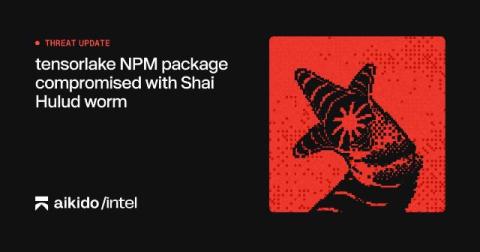
tensorlake NPM package compromised with Shai Hulud worm

On 8 October 2026 a threat actor published a compromised version of tensorlake to npm. The compromised version is 0.5.144 and contains a variant of the Shai-Hulud worm, which exfiltrates secrets from infected devices and attempts to self-replicate through connected supply chains. Tensorlake is a serverless sandbox for AI agents and its npm package has a reported lifetime install count of over 100,000.

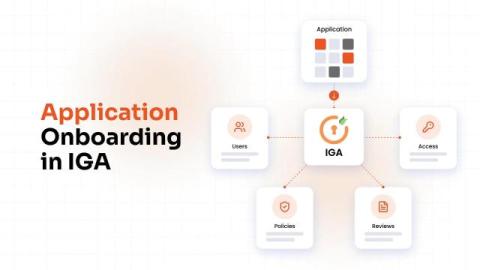
Application Onboarding in IGA: A Practical Guide

Application onboarding is the process of integrating an application with your identity governance and administration platform so its accounts, roles, and entitlements can be governed. Once an application is onboarded, you can: Without onboarding, an application stays outside your controls, and any access inside it is invisible to your security and audit teams.

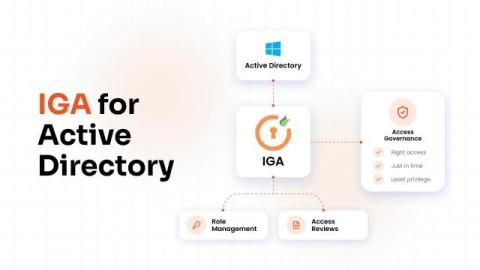
Active Directory Governance: How to Know Who Has Access and Why

An employee changes roles. Their manager requests access for the new job, and IT grants it quickly. That part works well. The issue appears when access from the previous role stays in place. The same thing happens when a contractor finishes a project, an admin completes urgent work, or a team retires an application. Access often remains because nobody has checked whether it still serves a purpose. Active Directory governance allows IT and security teams to answer three questions.