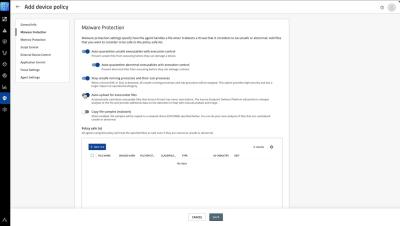
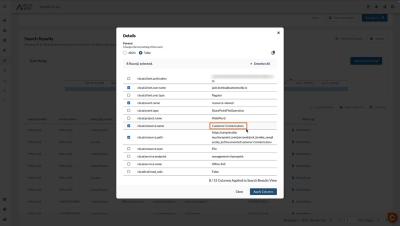
This video demonstrates how zones can be used to automatically apply policies to different device groups and help your organization avoid configuration errors.
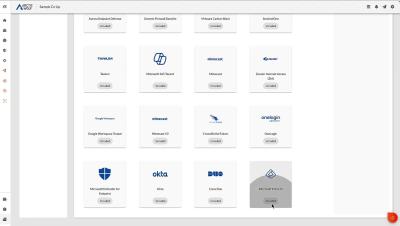
This demo illustrates how to enable Active Response integrations in Arctic Wolf to quickly contain and neutralize cyber threats. Connect your tools, reduce complexity, and maximize protection with Arctic Wolf Active Response.
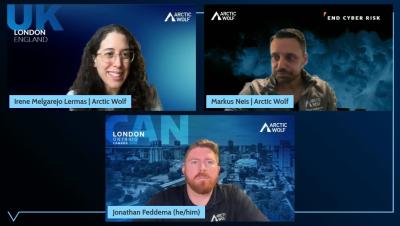
How do data science and threat intelligence intersect to strengthen defenses in today’s evolving cyber landscape? Join us this Wednesday, September 24 at 10 AM ET for a special edition of Arctic Wolf SOCast: Zero Assumptions, where our experts will break down how advanced analytics and threat research work hand-in-hand to outpace attackers. Featuring.
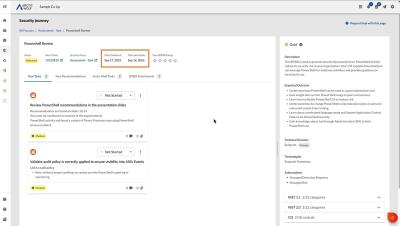
In this demo, we will see how Arctic Wolf's unified portal reflects the status of Security Focuses and the availability of Security Reviews to help customers monitor and plan the advancement of their security journey.
For each of the past four years, ThreatQuotient a Securonix company has released one of the industry’s definitive research reports on security automation. During that time, we’ve tracked the evolution of automation adoption by thousands of cybersecurity professionals around the world, including key trends, challenges and strategies for automating security operations.
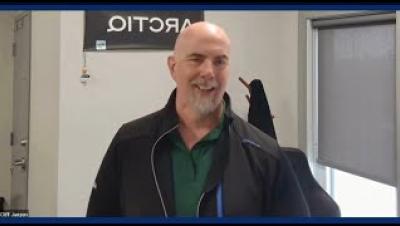
Cliff Janzen, CISO and VP of Security Services at Arctiq, joined us for Defender Fridays for a special "Security Potpourri" session! What's on the menu? > SOC operations and optimization> Security automation strategies> Penetration testing insights> The current state of security landscape> All through Cliff's expert lens and real-world experience.
At ThreatQuotient a Securonix company, we’ve cracked the code on how to use threat intelligence to simplify security operations. It involves using automation and AI to accelerate and improve threat intelligence management to help teams work smarter, not harder. Our ThreatQ Platform provides a data-driven way to streamline the threat intelligence lifecycle – a structured process for collecting, analyzing, distributing, and honing threat intelligence to improve defenses.
Security operations shouldn’t be defined by burnout, backlog, and brittle tools. Torq HyperSOC replaces the slow, manual SOC model with an autonomous system powered by agentic AI, Hyperautomation, and seamless stack integration. In just 90 days with Torq, security teams move from reactive to proactive — automating Tier-1 triage, accelerating response, and freeing analysts to focus on what matters most.
This demo highlights the ability to proactively create custom alerts to monitor trends and scenarios specific to your environment or organizational needs.
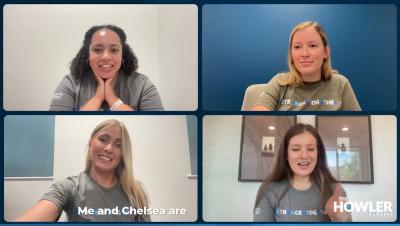
The Howler Podcast is two years old! In this special episode, Chelsea and Mary are joined by some surprise co-hosts as well as pack members from around the globe as they celebrate Arctic Wolf's one-of-a-kind culture. Interested in running with the pack? Explore careers at Arctic Wolf—one of the fastest-growing and exciting cybersecurity companies in the world, to learn about how you can join our Pack, create impact, and influence what’s next in security operations.