Execution of malicious scripts was responsible for 52% of 75,000 cyber incidents. These scripts are typically used to harvest data from customer-facing websites and APIs. 60%+ such attacks target SMEs. An alarming situation when you consider the limited resource and tool budgets allocated for website and API security. A managed, enterprise-class application security offering with 24x7 SOC is, therefore, the need of the hour for SMBs.
Million+ unique IPs hit your web or API server with one or two requests per minute. Default rate-limits fail immediately, and your server is down. 50% of the DDoS attacks employ botnets for launching such attacks. In this live attack simulation, join Karthik Krishnamoorthy (CTO of Indusface) and Vivek Gopalan (VP of Products of Indusface), as they demonstrate advanced AI-powered DDoS mitigation while minimizing false positive blocks.
KnowBe4's Data-Driven Defense Evangelist Roger A. Grimes shares his hacking story on consulting for a large, U.S. multinational, multi business, conglomerate, Fortune 500 company. I had been brought in because they had been badly hacked for the third time.
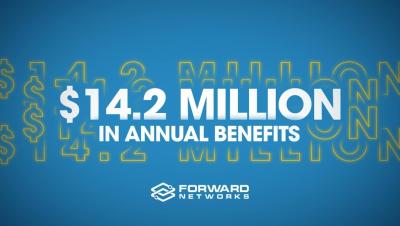
The Problem: Ever-evolving network infrastructure, network complexity, criticality, and costs are compounding pressure on networking budgets, while widening network talent gaps, and advancing network service requirements. Many enterprise IT teams tread water with stop-gap measures providing narrow impact and short-term value.
Did you know that GitHub Copilot may suggest insecure code if your existing codebase contains security issues? While giving AI tools better examples to learn from can improve their behavior, it doesn't guarantee protection or guardrails against security vulnerabilities. Today, we are taking a look at how AI tools, such as Copilot, can be unsafe and what you can do to keep your projects secure. Resources.