Security | Threat Detection | Cyberattacks | DevSecOps | Compliance

AI-Native Browsers Demand AI-Native Security: Why Legacy DLP Can't Protect You

In our recent analysis of AI browser exfiltration risks, we exposed how OpenAI's Atlas and Perplexity's Comet create permanent backdoors to sensitive data through persistent memory, autonomous agents, and cross-platform sync. The challenges with AI native browsers strongly resonated with CISO’s and security leaders we speak with on a daily basis. But the threat extends far beyond Atlas and Comet.

React2Shell and related RSC vulnerabilities threat brief: early exploitation activity and threat actor techniques

On December 3, 2025, immediately following the public disclosure of the critical, maximum-severity React2Shell vulnerability (CVE-2025-55182), the Cloudforce One Threat Intelligence team began monitoring for early signs of exploitation. Within hours, we observed scanning and active exploitation attempts, including traffic originating from infrastructure associated with Asian-nexus threat groups.

Why I'm leading Tines' internal workflow transformation

I first met Tines co-founders Eoin Hinchy and Thomas Kinsella more than a decade ago at eBay. Even then, we shared the same frustration: too much important work was slowed down by brittle processes, manual handoffs, and disconnected tools. We all believed technology should help people focus on meaningful work, not slow them down in muckwork. That idea has shaped my career ever since. I started out in security operations, using automation to make my own job easier.

Threat Research Year In Review - 2025

In November of last year, Aaron Bray made some supply chain security predictions for 2025. Now, as we approach the close of the year, we are going to look at how those predictions turned out. But first let’s start with the high-level statistics and review some of the campaigns we have been tracking and reporting on this year. As this year is not yet over, we have excluded data from December for both 2024 and 2025.

Cato CTRL Threat Research: A Deep Dive into a New JSCEAL Infostealer Campaign

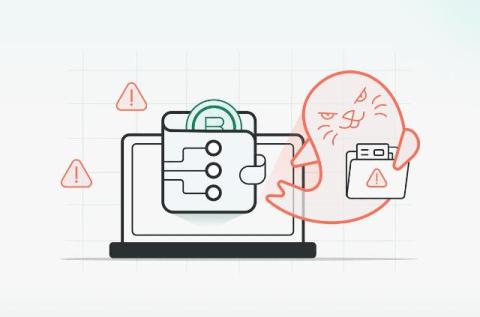
JSCEAL is an information stealer that’s been targeting users of cryptocurrency applications. As reported by Check Point Research (CPR) in July 2025, JSCEAL has developed into a more advanced form. In a new campaign observed by Cato CTRL in August 2025, JSCEAL has adopted a revamped command-and-control (C2) infrastructure, enhanced anti-analysis safeguards, and an updated script engine designed for increased stealth. The campaign remains active.

2026 API and AI Security Predictions: What Experts Expect in the Year Ahead

This is a predictions blog. We know, we know; everyone does them, and they can get a bit same-y. Chances are, you’re already bored with reading them. So, we’ve decided to do things a little bit differently this year. Instead of bombarding you with just our own predictions, we’ve decided to cast the net far and wide. We’ve spoken to cybersecurity experts from around the world to answer what’s, for us, the most pressing question of all.

Detectify year in review 2025

In 2025, we engineered a truly new era of modern DAST. We unlocked next-gen assessments with “infinite” payloads, eliminated the trade-off between broad attack surface visibility and deep application testing, and found the ultimate balance between human ingenuity and machine intelligence with our AI Researcher, Alfred. The result? A modern DAST product that delivers unmatched innovation and accuracy in the AppSec space.

What Is API Token Hijacking? Steps to Detect and Stop the Attack

An API token is like a small digital key that tells a system that a user or an app is allowed to act in the system. When this key gets stolen, attackers act as real users and misuse the account. It’s called API token hijacking, and this issue has grown in the last few years. Most companies are not able to detect this problem in time. It’s important for IT/security teams to understand token theft to respond quickly and build stronger protection for future attacks.