Security | Threat Detection | Cyberattacks | DevSecOps | Compliance

What Is SCIM Provisioning and How It Works in Shopify

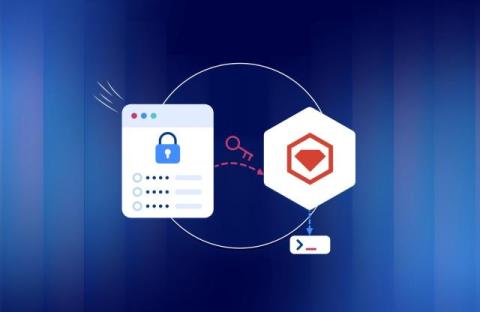
SCIM provisioning, or System for Cross-Domain Identity Management provisioning, is a standardized way to automate the process of creating, updating, and removing user accounts across multiple applications. Instead of manually adding or deleting users in each platform, SCIM provisioning ensures that any change made in one system is instantly reflected in all connected systems. This keeps user data consistent, reduces admin workload, and improves security.

Public Wi-Fi vs Secure Mobile Data: What Remote Workers Need to Know

You can work from almost anywhere today, cafés, airports, hotels, even park benches. Free public Wi-Fi makes it easy to jump online fast. But is it really safe? Many remote workers don't think about security until something goes wrong. One weak network can expose emails, client files, passwords, and payment details in minutes. On the other hand, secure mobile data offers more control and privacy-but may cost more. So which option should you trust with your work? In this guide, we'll break down the real risks, clear up common myths, and help you choose the safest connection for your remote setup.

Emerging Threat: CVE-2026-1731 - BeyondTrust Privileged Access Exposure Risk

CVE-2026-1731 is a vulnerability disclosed in products developed by BeyondTrust. At the time of writing, publicly available technical details regarding the root cause, vulnerable code paths, and exploitation prerequisites remain limited. Based on initial advisory information, the issue affects components involved in privileged access or remote access workflows, which are typically deployed to manage high-value credentials, session brokering, or secure administrative access to enterprise systems.

Breaking Down Financial Barriers: A Comprehensive Review of finance Options for Benefit Recipients

Living on benefits often means managing a tight budget, where unexpected expenses or emergencies can feel overwhelming. For many, access to additional funds through loans can provide a much-needed safety net. Whether it's covering a medical bill, repairing a broken appliance, or simply bridging the gap until the next payment, finding the right financial solution is crucial. This article aims to walk you through the landscape of borrowing options tailored for individuals receiving benefits, offering clarity and reassurance as you explore your choices.

Unlocking Homeownership: Advanced Techniques for Navigating Financing

Imagine standing at the threshold of your dream home, keys in hand, with the confidence that you've secured the best possible financing. For many, this vision feels out of reach, tangled in the complexities of mortgage options and financial planning. But what if you could transform this challenge into an opportunity? By adopting advanced, data-driven strategies, you can take control of your homeownership journey. This isn't just about signing papers; it's about empowering yourself with insights that make a real difference.

What Network Observability Reveals That Traditional Monitoring Misses

Modern enterprise networks have evolved into complex ecosystems that span multiple cloud environments, hybrid infrastructures, and countless interconnected devices. While traditional network monitoring has served organizations for decades, the increasing sophistication of cyber threats and the exponential growth in network traffic demand a more nuanced approach. Network observability emerges as the next evolution, providing unprecedented visibility into network behavior that traditional monitoring simply cannot match.

Vendor Risk Response: What Happens After a Vendor Risk Is Identified?

In today's interconnected business environment, the relationship between organizations and their third-party vendors is crucial. However, it also introduces a range of risks. Vendor risk refers to the potential vulnerabilities or threats that arise from working with external suppliers, service providers, or partners. These risks can manifest in various forms, including data breaches, financial instability, operational disruptions, or non-compliance with regulations. Once a vendor risk is identified, it's essential to understand the steps that need to be taken to manage and mitigate that risk effectively.