How to Handle Secrets in Kubernetes
This blog post covers creating, storing, and using secrets in Kubernetes, encryption, RBAC, and auditing. It introduces Kubernetes External Secrets and best practices to enhance security. Let's dive in!


This blog post covers creating, storing, and using secrets in Kubernetes, encryption, RBAC, and auditing. It introduces Kubernetes External Secrets and best practices to enhance security. Let's dive in!
Twitter’s recent decision to turn off SMS two-factor authentication (2FA) for non-Twitter Blue users created a stir. While media and tech pundits questioned the company’s motives, many users complained of losing a universal security measure behind a paywall.
Since the inception of the internet and the World Wide Web (WWW), HTML has been a fundamental part of digital communication, enabling document exchange services between various devices on the network. Developed by Tim Berners-Lee, the father of the WWW, in 1993, the markup language is still used to display documents on web browsers today.
Netskope Threat Labs publishes a monthly summary blog post of the top threats we are tracking on the Netskope platform. The purpose of this post is to provide strategic, actionable intelligence on active threats against enterprise users worldwide.
Google Drive continues to be one of the most abused cloud services by threat actors, and the latest edition (April 2023) of the Threat Horizons Report, released by security researchers in Google’s Threat Analysis Group (TAG), shows more interesting examples of how opportunistic and state-sponsored threat actors are exploiting its flagship cloud storage service, to conduct malicious campaigns (and by the way, Netskope Cloud and Threat Report is quoted in the report).
Healthcare organisations across Europe must take precautions to protect their systems to reduce their risk of cyberattacks.
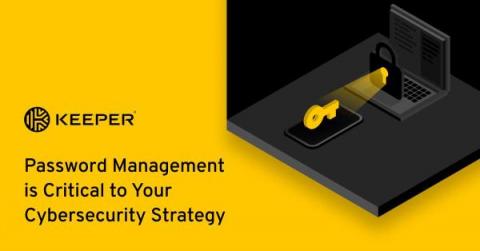
From generating strong passwords to monitoring the security policies and practices of a company, password managers are powerful solutions that defend companies against cyberthreats and improve employee productivity. Continue reading to learn more about why password management is critical to every organization’s cybersecurity strategy.