All Disaster-Recovery-as-a-Service (DRaaS) providers do the same basic thing: They manage the recovery of data and applications following an outage or cyberattack. The growing frequency of cyber-attacks highlights the importance of these services. Cloudflare, for example, mitigated $6.9 million DDoS attacks in Q4 2024, a 16% increase quarter-over-quarter and an 83% rise year-over-year.
While cybersecurity risk and exposure may be unavoidable in our present threat environment, proactive measures can significantly reduce the likelihood and impact of cyber attacks. Understanding these risks and implementing strong security controls ensures safer digital environments for individuals and organizations alike.
AI is transforming productivity across every industry—from marketing and design to legal and engineering. But while employees rush to embrace tools like ChatGPT, Gemini, and Microsoft Copilot, many are using other tools without oversight from IT or security. As this grassroots usage grows, so does the volume—and sensitivity—of data flowing into AI tools.
Data Loss Prevention (DLP) tools are crucial for protecting sensitive information as it moves within and outside an organization. They help prevent data leaks and unauthorized access by allowing organizations to monitor, control, and respond to potential data transfer risks. In this article, let’s learn more about how DLP tools play a vital role in secure data transfers.
During an Advanced Continual Threat Hunt (ACTH) investigation conducted in early March 2025, Trustwave SpiderLabs identified a notable resurgence in malicious campaigns exploiting deceptive CAPTCHA verifications. These campaigns trick users into executing NodeJS-based backdoors, subsequently deploying sophisticated NodeJS Remote Access Trojans (RATs) similar to traditional PE structured legacy RATs.
We’re excited to announce a powerful new integration between Mend.io and Microsoft Defender for Cloud (MDC)—a step forward in our mission to bring intelligent, actionable, and context-rich open source security directly into the cloud security workflow. As organizations embrace cloud-native architectures, security teams face the growing challenge of identifying and prioritizing the open source software risks that truly matter.
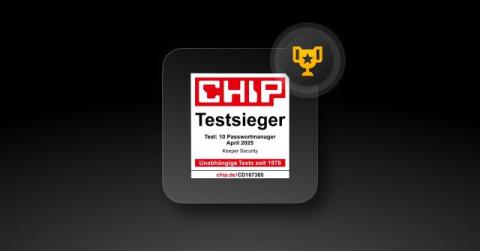
Keeper Security has once again earned the coveted title of “Test Winner” in a recent comparison of top password managers conducted by CHIP Magazine, a leading consumer technology publication in Germany. This achievement marks Keeper’s third consecutive win, following its 2023 and 2024 triumphs. In the April 2025 edition of CHIP, the magazine’s dedicated test center rigorously evaluated Keeper Password Manager alongside 10 other leading solutions.
In this week’s episode of The Future of Security Operations podcast, I'm joined by Josh Lemos, CISO at GitLab. Throughout his 15-year career in security, Josh has led teams at ServiceNow, Cylance, and Square. Known for his expertise in AI-driven security strategies, Josh is also a board member with HiddenLayer. He drives innovation at GitLab with a relentless focus on offensive security, identity management, and automation. Josh and I discuss.
The FBI is set to report that ransomware was the most pervasive cybersecurity threat to US critical infrastructure during the year of 2024. As Reuters reports, complaints of ransomware attacks against critical sectors have jumped 9% over the previous year.