Security | Threat Detection | Cyberattacks | DevSecOps | Compliance

What Is Provisioning? Definition, Types, Process & Benefits

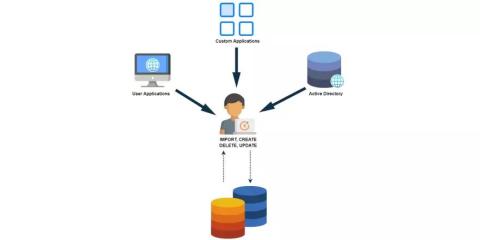
Provisioning is the process of setting up IT resources and making them available for use. It can apply to servers, networks, applications, cloud infrastructure, devices, and user access. In identity and access management (IAM), provisioning refers to creating, modifying, and managing user accounts and their access to applications, systems, and resources.
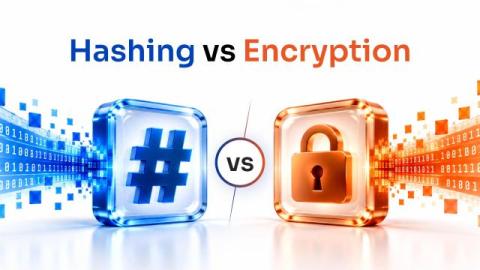

Hashing vs. Encryption: Differences, Use Cases, & Role in IAM

Your passwords, login tokens, and personal information need protection when you use an online service. Two technologies that help protect this information are hashing and encryption. Identity and Access Management (IAM) incorporates both, but they solve different security problems. Hashing helps verify passwords and detect changes to data. Encryption protects sensitive information that authorized users or systems need to retrieve. Understanding hashing vs.

AI data security: protecting sensitive information across AI tools

An employee uploads a spreadsheet to find a sales trend. Another pastes a support conversation into a chatbot to draft a reply. Neither intends to expose business information. Even so, both may send sensitive material outside the systems where your business normally controls it. SMB IT decision-makers need to know what employees share and decide which interactions are acceptable, without building a specialist AI security team.

Australia's Children's Online Privacy Code: Does it impact your business?

Accelerating security solutions for small businesses‍ Tagore offers strategic services to small businesses. A partnership that can scale‍ Tagore prioritized finding a managed compliance partner with an established product, dedicated support team, and rapid release rate. Standing out from competitors‍ Tagore's partnership with Vanta enhances its strategic focus and deepens client value, creating differentiation in a competitive market.

Behavior Is the Signal. Intent Is the Story.

Modern insider risk demands more than anomaly detection. Behavioral analytics, intent intelligence, and governed AI can help security teams recognize developing risk earlier—and act before it becomes business impact. Beth Dannemiller, Senior Director, Product Marketing The most dangerous insider risks rarely begin with an event that screams security incident. They begin with something that almost looks normal. A contractor comes in at an unusual time.

A Win for Defenders: CrowdStrike and NVIDIA Extend Security Across the AI Stack

AI agents are already operating across the enterprise. As they become more autonomous in accessing data, using credentials, executing code, and acting across critical systems, the security boundary is changing with them. The question is no longer whether enterprises will adopt agents. It's how they give agents greater autonomy without giving up control.

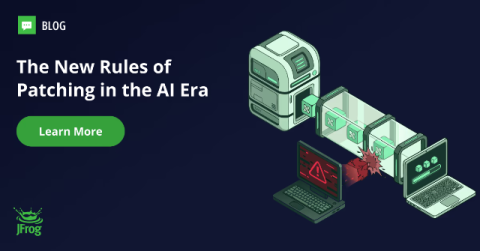
The New Rules of Patching: When a Fix Becomes a Blueprint for Attackers

TL;DR: Frontier AI has collapsed the vulnerability exploit window from weeks to mere hours. Attackers now use advanced AI models to reverse-engineer published fixes and generate working exploits faster than human security teams can deploy updates. In the AI era, publishing a patch creates a blueprint for attackers. Surviving this threat requires vendors to tier sensitive disclosures and customers to treat patch application speed as a critical security metric.

Phone Numbers as an Attack Surface: What SIM Swap and Data Leaks Actually Expose

The majority of security teams' work time is devoted to passive mitigation, password rotation, enabling multifactor authentication, or making authentication more complex and giving much more attention to the phone number in recovery than to other factors. Not a communication channel, but rather an identifier, as said, it's used in many aspects of tools, banking, and also e-mail, and when all thieves discover the methods of using it, that's when trouble arrives.

What Is Identity Governance and Administration (IGA)? A Complete Guide

Disconnected identity systems create the access risk, audit friction, and IT overhead that identity governance and administration (IGA) is built to close. The 2026 Verizon Data Breach Investigations Report found credential abuse in 39% of breaches. IGA combines policy, certification, and compliance evidence with automated provisioning, deprovisioning, and access requests to keep access aligned with business needs and reduce that risk.

Managed identity threat detection and response (ITDR): what MSPs and security teams need

For MSP service owners and technicians, managed identity threat detection and response comes down to a practical service question: who investigates a compromised client account, and who can contain it after hours? Consistent handling across client environments depends on clear ownership from prevention through recovery. Start by checking the identity coverage already included in your managed detection and response (MDR) service or extended detection and response (XDR) deployment.