Security | Threat Detection | Cyberattacks | DevSecOps | Compliance

Cyber Incident Response in 2025: A Modernized 7-Phase Guide

As cyber threats continue to grow in complexity and frequency, organizations must evolve their response strategies. The year 2025 demands a modern, proactive, and layered approach to dealing with cyber incidents. Whether it’s a ransomware attack, data breach, or insider threat, cyber incident response in 2025 must focus on preparation, swift action, and continuous learning.

AURA Stealer: A Crude Clone of LummaC2 - Technical Analysis and Threat Breakdown

AURA Stealer is a newly emerging information-stealing malware that presents itself as a streamlined alternative to more established stealer families such as LummaC2. Marketed as a carefully engineered solution, AURA is positioned by its developers as purpose-built for efficiency and results—eschewing unnecessary complexity in favor of a focused and modular design.

Toptal GitHub Breach Exposes Critical Gaps in Open-Source Security

In a stark reminder of the increasing risk to software supply chains, freelance talent platform Toptal is the latest high-profile organization impacted by a compromise of a GitHub account that led to the deployment of malicious npm packages with the capability to wipe developer machines and steal passwords. The breach, first disclosed last week, has shocked the developer community and exposed serious flaws in repository security, disclosure practices, and package ecosystem hygiene.

How to Disable USB Ports on Windows 11: The Complete Guide (2025)

Unsecured USB ports on Windows devices pose significant security risks, from data theft to malware injection, making robust control essential for data loss prevention (DLP) and regulatory compliance. Basic methods exist within Windows 10/11 itself, such as using Device Manager, Registry Editor, or Group Policy Editor. These built-in options often lack centralized management, specific device whitelisting, and temporary access features necessary for comprehensive enterprise-level security.

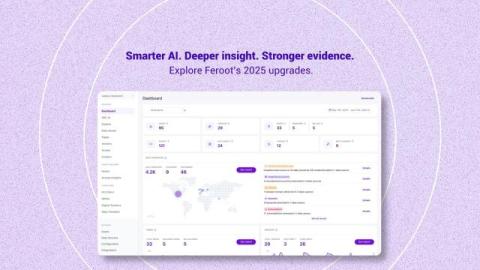
Kovrr's Cyber Risk Register Gets New Features for Smarter Management

‍ ‍Risk managers have long used registers to keep track of and manage the threats their organizations face, and, as cyber risk emerged in the 21st century as one of the core market concerns, cybersecurity leaders, too, started to harness these tools to structure and prioritize their cyber-related exposure. However, while risk registers offer a starting point for this process, many have not evolved beyond their early design, remaining static qualitative inventories.

Reimagining Data Security: Four New Capabilities That Make Protection Smarter, Faster, and Easier

Enterprise data has become nomadic. What once lived safely behind corporate firewalls now travels across dozens of cloud applications, gets copied into collaborative documents, flows through AI tools, and transforms as employees work from coffee shops, home offices, and airport lounges.

Human Error Is the New Attack Vector: Why Access Control Is Your First Line of Defense

In modern business environments, many data leaks do not begin with hackers breaking through firewalls. Instead, they start with a small mistake committed by an employee, contract worker, or team member who had unnecessary access rights. As phishing attacks, stolen passwords, and accidental errors continue to cause serious security problems, companies must recognize that access control is just as critical as anti-virus software.

Where AI Meets Design: Why the Role of the Human UI/UX Designer Isn't Going Anywhere

AI is changing how we build digital products - and it's doing it fast. From generating interface layouts in seconds to crafting functional microcopy with a prompt, the tools we use as designers are evolving at breakneck speed. It's tempting to assume we're heading toward a future where much of UI/UX design becomes automated - where tools take over the craft. But here's the truth: tools don't replace thinking. They don't replace creativity, empathy, or the nuance required to shape truly great user experiences.

Step Into the Future: Book Your Identity Scan in Minutes

Getting verified has never felt so quick and easy. Today's tech lets you do things that once took hours in just a few taps on your phone. That includes proving you're uniquely human. With one simple scan, you can now verify your identity in minutes and carry on with your day without stress. This guide walks you through how to find your nearest scan location, book an appointment, and complete the whole process comfortably. It's smooth, safe, and built for regular people who just want things done fast and right.