Security | Threat Detection | Cyberattacks | DevSecOps | Compliance

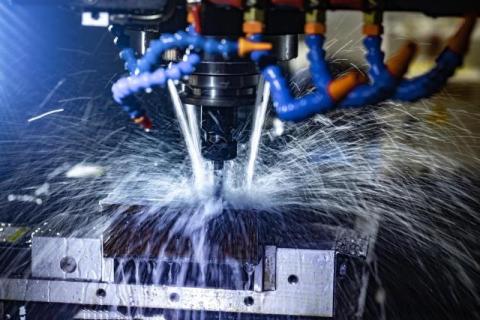
Drilling vs Boring: Key Differences That Impact Precision

When you first step into the world of machining, it's easy to assume that all hole-making processes are basically the same. A hole is a hole, right? Not quite. If you've ever had a part fail tolerance checks or struggled with surface finish issues, you already know that the details matter. That's where the debate of drilling vs boring comes in. These two processes may look similar on the surface, but they serve very different purposes in real-world manufacturing. Choosing the wrong one can cost time, money, and even your reputation.

What Composable Apps Mean for the Web3 Ecosystem

Composable applications are becoming a defining feature of how Web3 ecosystems develop and scale. These apps are built to work together rather than operate in isolation, allowing developers to reuse existing components and users to benefit from interconnected functionality.

Why a strategic MVP is needed for scalable software

Minimum Viable Product is the exact opposite of MVP in sports, the Most Valuable Player. One danger is to treat it as the latter by over-investing time and resources into it, missing the point that it's about validating the business idea and core value proposition. But, many also go too far the other way and under-bake the features, treat the core code as disposable, and end up later building the real product on top of a mistreated foundation with technical debt.

Why Some UX Design Work Just Feels Right

Spend enough time around digital products and a pattern starts to emerge. Some interfaces feel easy almost immediately. You move through them without thinking much about where to click or what a button means. Other products do the opposite. They slow people down in quiet, frustrating ways. The difference rarely comes down to colors or fonts. More often it's the logic underneath the interface. The structure of decisions. The way the product anticipates what someone might want to do next.

Web Design Mistakes That Hurt Conversions and How to Fix Them

Sales and/or inquiries may not always follow from a visually appealing website. Most companies make costly web design errors that subtly turn off potential clients when they focus all of their energy on graphics and neglect usability and performance. In case conversions stop, it is not because of traffic, but because of experience.

How Fast Can You Prototype a Security Sensor Board Without Sacrificing Reliability?

Product development is dependent on speed. However, in the case of security sensor boards, which are gadgets designed to identify intrusions, surveillance or guarding of critical infrastructure, corners cannot be cut. Now, the trick is to find that delicate balance in order to move rapidly through prototyping and yet avoid ending up with an unreliable product that fails in crucial moments.

Designing for Emotional Resilience: UX Lessons from Apps That Build Trust

Open a meditation app like Headspace or Calm, and something happens before a single word appears. The colors breathe. The rhythm of animation is slow enough to feel safe. There is space between elements, like a deep inhale before you start. Many users describe feeling lighter the moment the interface loads. It's not magic. It's a design that respects emotional timing.

Secure-by-Design: Best Practices for Integrating AI Features into Modern Apps

AI-driven features have rapidly shifted from experimental add-ons to core expectations inside modern applications. Whether the goal is automation, personalization, or advanced data visualization, users now assume that intelligent components will be woven into their daily tools. Even something as simple as an online AI chart maker can become a standard part of how teams interpret information inside secure platforms, pushing developers to think more critically about how these capabilities are planned and protected.

The New Era of Digital Experience: How AI-Driven 3D Visualization Is Transforming Product Design and Marketing

In the race to capture consumer attention, brands are shifting from flat, static media to immersive digital experiences-and 3d visualization is proving to be one of the most profitable moves they can make. By enabling customers to explore products from every angle, customize options in real time, and experience lifelike simulations before purchasing, companies are seeing higher engagement, lower product returns, and a measurable boost in conversion rates.