Security | Threat Detection | Cyberattacks | DevSecOps | Compliance

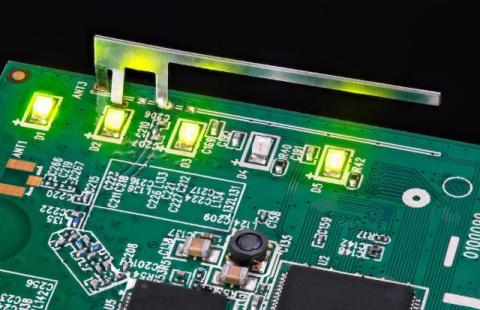
How PCB Layout Affects Wireless Performance

Wireless performance is often discussed as if it were determined mainly by the radio chip, antenna type, or communication protocol. Those factors do matter, but they do not tell the whole story. In real products, PCB layout often has just as much influence on wireless behavior as the module itself.

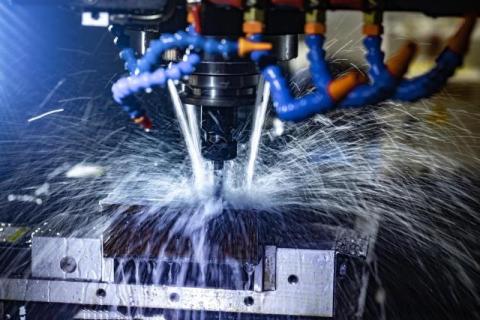
Drilling vs Boring: Key Differences That Impact Precision

When you first step into the world of machining, it's easy to assume that all hole-making processes are basically the same. A hole is a hole, right? Not quite. If you've ever had a part fail tolerance checks or struggled with surface finish issues, you already know that the details matter. That's where the debate of drilling vs boring comes in. These two processes may look similar on the surface, but they serve very different purposes in real-world manufacturing. Choosing the wrong one can cost time, money, and even your reputation.

Why Automotive & Manufacturing Can't Afford to Delay Key Management Strategy

In automotive and manufacturing, digital transformation is no longer a future ambition—it’s operational reality. Connected vehicles, smart factories, and increasingly complex supply chains have introduced a new dependency: trusted device identity and secure key management at scale. And yet, many organisations are still: This gap is no longer just a technical issue—it’s a business risk.

What Cybersecurity Risks Does CNC Automation Introduce in 2026?

Manufacturing floors are no longer air-gapped environments. As CNC machines connect to networks for automated loading, real-time monitoring, and remote diagnostics, they become potential entry points for cyber attackers targeting industrial operations. Companies like Gimbel Automation are advancing in-machine CNC automation that reduces manual labor and increases throughput. But every connected system, from spindle grippers to pneumatic workholding, needs cybersecurity planning alongside its mechanical engineering.

Digital Transformation in Manufacturing: Complete Implementation Guide

The integration of software, data, and machines is the key driving factor of digital transformation in the manufacturing industry. By leveraging technology such as: Manufacturers can improve productivity, reduce costs, and enhance decision-making. Scalable by design, these systems also support long-term growth and innovation.

Choosing the Right Packaging for Perfume Products

The quality and longevity of perfume products depend heavily on proper packaging and storage. Many perfumes, including essential oils, blended fragrances, and specialty formulas, are sensitive to light, air, and temperature changes. Without suitable containers, these products can degrade, losing fragrance, color, and overall effectiveness. Choosing the right packaging ensures that perfumes remain stable and maintain their intended scent profile over time.

Cyber Warfare Comes to West Michigan: What the Stryker Cyberattack Means for Manufacturing

In March 2026, one of West Michigan's most recognizable manufacturers found itself at the center of a major cybersecurity incident. Medical technology company Stryker, headquartered near Grand Rapids, experienced a widespread cyberattack that reportedly disrupted systems across its global network.

From Data Theft to Production Shutdown: The Top 3 Ransomware Threats Facing U.S. Manufacturers in 2026

The manufacturing sector remains one of the most aggressively targeted industries in the ransomware economy. In 2026, threat actors are no longer merely encrypting file servers-they are disrupting production lines, freezing ERP systems, and leveraging operational downtime as a strategic pressure point.

Why identity security is a production asset in manufacturing

When a production line stops, the clock starts ticking. In manufacturing environments I’ve worked in, every minute of downtime can translate into missed delivery commitments and revenue you’ll never see again. How long that outage lasts will be decided in the first few minutes, when identity ownership and decision authority are still being sorted out. That authority gap is easy to underestimate. Manufacturing leaders already plan extensively for physical disruption.

Common Mistakes in Implementing Manufacturing Automation and How to Avoid Them

The benefits of manufacturing automation are plentiful, from efficiency to cost-effectiveness. But the implementation process brings its own set of challenges for various businesses. By recognizing common mistakes, organizations can eliminate bottlenecks and achieve better outcomes.