Security | Threat Detection | Cyberattacks | DevSecOps | Compliance

The Role of Mechanical Insulation in Sustainable Building Design

Sustainable building design has become more than just a trend. Across commercial, industrial, and institutional projects, owners are looking for practical ways to reduce energy use, lower operating costs, and create healthier environments for occupants. While technologies like solar panels, smart lighting, and automated HVAC controls often receive the most attention, one of the most effective solutions is also one of the least visible: mechanical insulation.

Important Features People Look For When Choosing a New Community

Moving into a new place can be exciting. It can also get complicated quickly if the community does not match the way you actually live. A great kitchen or extra bedroom is nice, of course. But if your commute drains you, the schools feel uncertain, or basic errands take forever, that shine wears off fast. Buyers are thinking beyond the front door. About three in five buyers (62%) considered a walkable neighborhood as very or extremely important. That says plenty. People want a home that works with their daily life, not against it.

Concrete Slurry Disposal Methods That Prioritize Security

Managing wet waste on a construction site requires a clear plan. Wet materials can quickly become a liability if left to sit or handled incorrectly. These substances often contain heavy metals and chemicals that require careful handling to keep the environment safe. Staying safe means looking at how these materials impact the surrounding workspace. Choosing the right methods protects the crew and the project timeline. A well-organized site is less likely to face expensive delays or safety hazards during the building process.

Why Purpose-Driven Marketing Matters More in Sustainable Businesses

Companies that prioritize environmental and social impact are more competitive. But simply being sustainable isn't enough to capture the attention of a discerning consumer. Purpose-driven marketing is the solution to solving ethical issues and attracting its target audience. For businesses built on sustainable foundations, this approach is the most effective way to communicate value and drive long-term growth.

APC Battery Recycling: A Complete Guide to Responsible UPS Battery Disposal

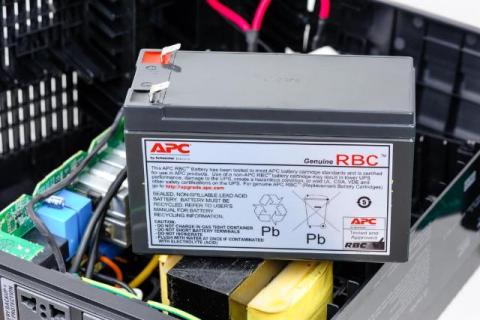
APC battery recycling is the most responsible and environmentally sound way to manage used or expired UPS batteries from APC systems. As uninterruptible power supplies become essential in homes, offices, and data centers, APC battery recycling has moved from being a niche concern to a critical sustainability practice. Proper APC battery recycling protects the environment, ensures regulatory compliance, and helps businesses and individuals avoid unnecessary risks associated with improper battery disposal.

Top 10 Carbon Accounting Platforms Ranked for Data Security and Governance

Carbon accounting software has become essential for organisations facing mandatory emissions reporting. But as sustainability data grows in strategic importance, the security and governance capabilities of these platforms matter as much as their calculation engines. Regulators now treat ESG disclosures with the same scrutiny as financial statements. Investors make decisions worth billions based on sustainability metrics. A data breach, integrity failure, or audit finding in this domain carries consequences that security teams cannot ignore.

Unlock success: Powerful strategies for integrating ESG into GRC for sustainable compliance

The modern business landscape is evolving rapidly with increasing expectations from investors, regulators, and consumers alike. Today, environmental, social, and governance (ESG) considerations are no longer optional; they have become a critical piece of corporate strategy. However, aligning these initiatives with governance, risk management, and compliance (GRC) frameworks can be a challenge.

Sustainable compliance made easy: Incorporating environmental responsibility into GRC strategies

As we speak about changing the regulatory and environmental landscape, organizations are shifting toward more responsible, sustainable practices not only to abide by regulations but also to build resilience, trust, and competitive advantage. Governance, risk, and compliance (GRC) strategies are evolving by incorporating environmental responsibility, ensuring that compliance is not merely a checkbox activity but a core part of an organization’s overall sustainability practices.

Data Security in the Age of Device Recycling and Refurbishment

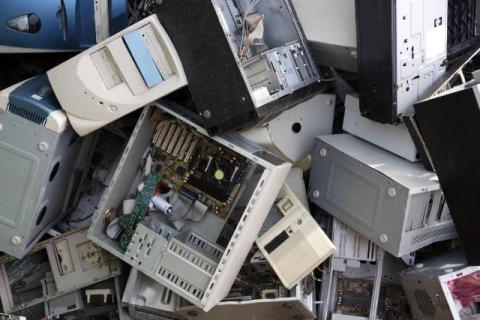
When companies replace old laptops, servers, or smartphones, most think about the new gear and improved performance. What gets missed is the data that stays behind. Customer lists, financial spreadsheets, emails-these can survive casual resets and end up in the hands of someone else. With sustainability initiatives pushing more devices into the refurbish-and-resell market, you need clear controls so greener IT doesn't become your next breach.