Security | Threat Detection | Cyberattacks | DevSecOps | Compliance

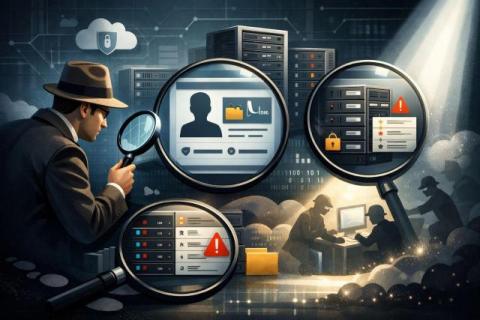
How ADAudit Plus eliminates auditing blind spots and provides granular visibility into your AD environment

Active Directory (AD) auditing focuses on topics such as who did what, when, and from where within your network. AD auditing and SIEM monitoring are closely related, yet they play two distinct roles in cybersecurity. SIEM monitoring shows you how a change is connected to an attack or incident. Together, they enable faster investigations, accurate root-cause analysis, and a stronger security posture.
How We're Securing Our Own Supply Chain

Building a supply chain security company comes with an uncomfortable truth: our remediated packages run inside our customers' production environments. A compromise on our end is a compromise on theirs. We take that responsibility seriously. I want to pull back the curtain on how we actually secure our own supply chain - from the code we write, to the artifacts we deliver, to the infrastructure that holds it all together. ‍

Top 7 DSPM solutions for 2026

DSPM solutions continuously discover and classify sensitive data, map who can access it, and surface misconfigurations across cloud and hybrid environments. Without them, security teams cannot reliably find shadow data, assess real exposure, or demonstrate that sensitive information is protected. Choosing the right platform means matching data coverage, risk prioritization, and remediation workflows to your actual estate.

Data access governance explained: visibility, control, and automation

Most organizations can answer "who can log in" but not "who can access a specific sensitive file, and should they?" Data access governance (DAG) closes that gap. It governs who can reach sensitive data, whether that access is appropriate, and how teams review that access over time, connecting visibility, control, and automation so organizations can govern access continuously rather than scramble before each audit.

Are You Ready for the CVE Avalanche?

What the Anthropic Mythos findings mean for every security team, and the 90-day window you cannot afford to miss. Last week, Anthropic published something that should stop every CISO in their tracks. Its Mythos Preview model, running autonomously, without expert guidance, identified thousands of high- and critical-severity vulnerabilities across major operating systems, browsers, and open-source projects.

What is a Remote Workforce? Key Insights and Strategies for Success

A remote workforce is defined as having employees who perform their work away from a traditional office setting. Commonly, remote employees work from home or some other location with internet access. A co-working space is another popular flexible remote work environment, offering a dedicated and professional setting outside the home or traditional office.

Data Security in Collaborative Environments: Why Data Discovery and Protection Matter

The LA Times recently reported on a suspected breach involving a public sector legal office and a third-party tool used to transfer discovery materials. According to the report, the exposed data included a large volume of highly sensitive records, including witness information, medical data, unredacted legal documents, personnel records, and investigative materials. Without getting ahead of the facts, there is a pretty straightforward lesson here. Sensitive data rarely stays in one place.

Claude Code Cuts SOC Setup to 10 Minutes

Security teams accept that standing up a real SOC requires days of configuration, credential wrangling, and infrastructure work before any actual security engineering begins. With LimaCharlie, actual setup time is closer to ten minutes. It gives valuable time back to SecOps teams by managing infrastructure and simplifying onboarding and operations with Claude Code. Using agentic AI to deploy SOC capabilities means your team spends less time on infrastructure and more on security work.