Phone Scams Come in All Shapes and Sizes
Learning about phone scams allows you to be better prepared any time a scammer calls. Learn signs of a scam call and how to respond in our video!


Third party risk assessment is the process of evaluating and managing the risks associated with engaging third parties. It involves identifying, assessing, and mitigating potential risks that could arise from working with external vendors or partners. The goal of this type of assessment is to ensure that any risks posed by these relationships are minimized or eliminated altogether.
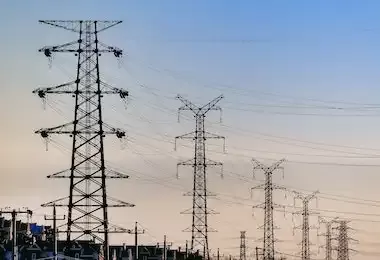
In the event that there was a malicious actor who wanted to disable a country or state's power supply, the utility sector would be one of the first targets of this attack as seen in the Moore County power outage and the recent attacks on Portland’s infrastructure. Whenever stakes are this critical, it is essential that security is prioritized throughout the systems and processes involved in such matters.
Kubernetes adoption has rocketed into ubiquity. At this point, 96 percent of organizations are either using Kubernetes for container orchestration or evaluating its use, according to the latest Cloud Native Computing Foundation annual survey. But this doesn’t mean that Kubernetes isn’t without security risks. The flexibility of container applications and their capability to carry discrete components that interact over the network present security challenges.