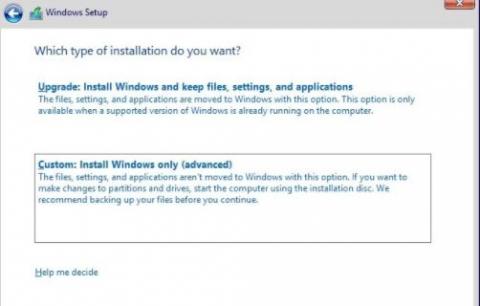
In this blog in the “IT security under attack” series, we wanted to shed some light on an unfamiliar and seldom discussed topic in IT security: the default, out-of-the-box configurations in IT environments that may be putting your network and users at risk. Default settings, and why the initial configuration is not the most secure
Most of the time, threat actors in the cybersecurity landscape don’t employ advanced techniques and tools to intrude and establish a foothold within networks. Often, they disguise malicious operations by mimicking the activities of legitimate users, leaving behind little to no footprint. Blending malicious actions with day-to-day IT activities helps attackers maintain a low profile and remain undetected for a longer period.
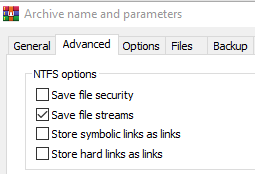
In this blog we will explore several ways that Alternate Data Streams (ADS) are abused by attackers to hide files and evade detection, defences based on them (and ways to bypass those defences!) but also how they can be used to help malware evade dynamic analysis.
Whether you’re deploying hundreds of Windows servers into the cloud through code, or handbuilding physical servers for a small business, having a proper method to ensure a secure, reliable environment is crucial to success. Everyone knows that an out-of-the-box Windows server may not have all the necessary security measures in place to go right into production, although Microsoft has been improving the default configuration in every server version.
Since ransomware was founded in 1996, many ransomware gangs have attempted and failed to quake the cybersecurity landscape. But some have broken through and even rearranged it with their obfuscatory cyberattack methods. Netwalker ransomware is an example of such a success. Within its first six months of operation, the ransomware gang received more than $25 million in ransom payments. What is Netwalker ransomware and why is it so lethal? To learn more, read on.
This blog series is aimed at giving defense practitioners a thorough understanding of Windows access tokens for the purposes of detection engineering. Here in Part 1, we'll cover key concepts in Windows Security. The desired outcome is to help defenders understand how access tokens work in Windows environments.