Security | Threat Detection | Cyberattacks | DevSecOps | Compliance

Stop Alert Fatigue: How Smart Alert Management Improves IT Response Times

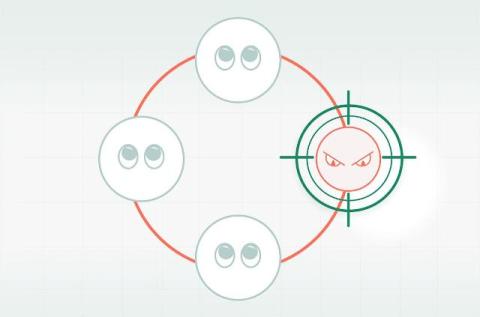
When alerts flood in at 2 a.m., your team shouldn't have to guess whether it's a critical failure or another false alarm. That uncertainty is what causes alert fatigue, a systematic problem that leads to slower response times, team burnout, and missed incidents. Fortunately, there's a solution: By replacing noisy, traditional methods with smart alert management, you can turn a flood of alerts into a stream of actionable insight.

Cyber Fatigue: Using Threat Modeling to Protect Mental Health

The internet never sleeps, and neither do the alerts. Every day we're hit with warnings, breach headlines, new tools to learn, and pressure to stay "secure enough." After a while, it wears you down. That heavy, drained feeling that comes from trying to keep up with threats around the clock, and that's cyber fatigue.

The Efficiency Shift: From Alerts to Incidents

In every security operation, time and clarity are the most limited resources. Analysts do not fail because they lack alerts; they fail because they are forced to connect dots that never form a complete picture. When visibility is fragmented, every alert appears urgent, and priorities become blurred. This is where the idea of endpoint security efficiency becomes transformative.

Why Does Alert Overload Happen and How Can It Be Prevented?

You’re operating in a fast-moving cybersecurity environment. Every second, data flows, users log in, devices communicate, and threats lurk. Your tools are generating alerts—many of them valid, many more questionable. Before long, you face a constant tsunami of notifications. That’s where alert fatigue strikes: too many alerts, too little time, too much risk. When your team starts ignoring or delaying responses to alerts, the very purpose of your monitoring stack is undermined.

Top 7 Stock Analysis Signal and Alert Services

Quality stock analysis is a necessity in today's ever-changing market and StockHive puts the best information at your fingertips. With the evolution of technology, stock analysis tools have progressed too, and you can now perform far more than ever before which makes your work flow smoother and ultimately helps you discover opportunities that otherwise wasn't possible. And to help you traverse this fluid landscape, you need timely access to the newest and most trusted solutions.

The Efficiency Shift: Endpoint Efficiency Over Alert Volume

For years, the cybersecurity industry has celebrated “more detections” as proof of effectiveness. Dashboards filled with alerts were seen as signs of vigilance and control. But in practice, the opposite is true: too many alerts create noise, fatigue, and blind spots that delay real responses. When analysts are buried under a flood of low-value detections, the attacker always moves faster.

Intrusion-Detection ML Pipeline: Hiring Python Data Engineers and Security Analysts

Modern cyber threats evolve rapidly, often evading traditional defenses, so organizations are adopting machine learning (ML)-driven intrusion detection systems (IDS) that learn normal network patterns and flag anomalies in real-time.

Why Do Security Alerts End Up in Spam, And How to Stop It?

It's a strange irony, isn't it? The very emails designed to protect people - security alerts - often wind up stuck in spam folders. Banks send login notifications, cloud services flag suspicious activity, and companies fire off fraud warnings, yet many of these never see the light of the inbox. This isn't just frustrating. It's risky. If a customer never sees that warning, they might fall for a scam or miss an important account update. So why does this happen? The truth is, the rules that keep us safe from junk mail sometimes turn against us.