Security | Threat Detection | Cyberattacks | DevSecOps | Compliance

NIST CSF 2.0: What's new in the Cybersecurity Framework

NIST CSF 2.0 expands the Cybersecurity Framework into a broader, risk-based model centered on governance, making leadership accountable for cybersecurity as an enterprise risk. It introduces a sixth core function, enhances supply chain and privacy integration, and improves usability for organizations of all sizes. Profiles, tiers, and new implementation resources help align security efforts with business objectives and evolving threat landscapes.

Cybersecurity AI Explained: Agentic AI, PQC, and Real-World Security Challenges

At the 2025 RSA Conference, Justin Foster joins Zeus Kerravala to break down where AI in cybersecurity is actually delivering value and where it’s falling short. As security teams deal with growing complexity, many are finding that today’s AI tools create as much friction as they solve. This conversation explores how a shift toward agentic, skills-based AI can help teams move faster, reduce noise, and focus on what really matters.

Announcing Approval Escalation: Stop Letting Stalled Approvals Block Your Team

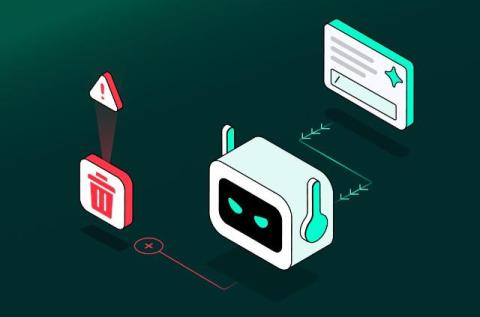
Today, we’re introducing Approval Escalation, a new capability in Apono that automatically moves access requests forward when the original approver doesn’t respond in time. Because no one should be stuck waiting seven hours just to do their job.

Drilling vs Boring: Key Differences That Impact Precision

When you first step into the world of machining, it's easy to assume that all hole-making processes are basically the same. A hole is a hole, right? Not quite. If you've ever had a part fail tolerance checks or struggled with surface finish issues, you already know that the details matter. That's where the debate of drilling vs boring comes in. These two processes may look similar on the surface, but they serve very different purposes in real-world manufacturing. Choosing the wrong one can cost time, money, and even your reputation.

7 Practical Ways to Shrink Your Digital Footprint in 2026

The average internet user now leaks more personal data in a single day of routine browsing than most people disclosed in a decade two generations ago. Ad networks track page views, data brokers aggregate public records into sellable dossiers, and AI systems ingest everything from social posts to leaked databases to build inferred profiles of individuals. Privacy Rights Clearinghouse has catalogued more than 750 data brokers operating in the United States alone, and industry analysts estimate the broader data-broker economy will grow past half a trillion dollars by the end of the decade.

Stop Guessing AI Security: A Maturity Reality Check

Mend.io, formerly known as Whitesource, has over a decade of experience helping global organizations build world-class AppSec programs that reduce risk and accelerate development -– using tools built into the technologies that software and security teams already love. Our automated technology protects organizations from supply chain and malicious package attacks, vulnerabilities in open source and custom code, and open-source license risks.

How Lean Security Teams Stay Ahead of AI-Powered Attacks

In “Terminator 2“, the T-800 does not win because humans worked harder. It wins because the same machine capability that made it dangerous was reprogrammed to fight for the defenders. Project Glasswing is exactly that. Claude Mythos Preview is Anthropic’s most powerful AI model and the one they refused to release publicly because it autonomously found thousands of zero-day vulnerabilities across every major operating system and browser. Flaws that decades of expert review never caught.

Point-in-time GRC is obsolete. What's replacing it? It isn't AI alone

The last generation of Governance, Risk and Compliance (GRC) software built a multi-billion dollar ecosystem by becoming systems of record for risk. ServiceNow became the system of IT workflows. Archer for audits. Diligent for policy management. Own the control framework, own the workflow, own the audit trail. It worked: for a world where risk moved slowly enough to be captured annually. That world is gone. Point in time attestations are obsolete. The Apple Watch didn’t replace the annual checkup.