Security | Threat Detection | Cyberattacks | DevSecOps | Compliance

When a National VPN Crackdown Broke the Banks: What Russia's April 3 Outage Teaches Enterprise Security Leaders

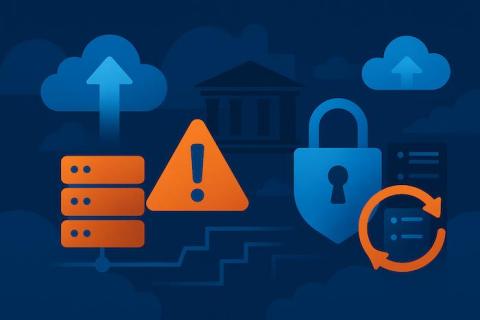
On the afternoon of April 3, 2026, shoppers in Moscow discovered their contactless payments were dead. Payment terminals at Sberbank, VTB, and T-Bank - three of Russia's largest banks - threw errors simultaneously. The Moscow metro opened its turnstiles and waved commuters through. Restaurants reverted to cash. A zoo in the south of the country briefly stopped admitting paying visitors. The outage was not a cyberattack, a cloud failure, or a ransomware event. It was the Russian telecom regulator, Roskomnadzor, trying to block VPN traffic - and accidentally blackholing IP ranges belonging to its own critical banking infrastructure.

Mitigating Advanced Persistent Threats with Cyber Security

The financial stakes of a modern cyberattack are higher than ever, threatening not just data, but the very survival of your company. According to IBM's Cost of a Data Breach 2024 report, the average cost of a data breach for companies has reached $4.9 million. This staggering figure factors in devastating operational downtime, lost business, and expensive post-breach responses. It is a harsh reality that forces IT leaders to rethink their entire approach to digital safety.

Proven incident response and business continuity strategy

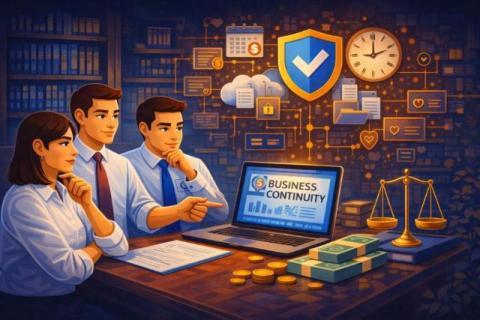
From cybersecurity breaches to natural disasters, disruptive events can occur suddenly and without warning. As a result, it is crucial for organizations to develop resilient plans that not only respond to incidents in real time but also ensure long-term operational survivability. This article examines the concepts of incident response and business continuity, exploring their differences and similarities while offering practical strategies to integrate them into a cohesive operational plan.

Business Continuity for Law Firms: Protecting Billable Hours and Court Deadlines

Law firm economics are unforgiving. According to the Clio Legal Trends Report, the average attorney bills only 2.5 hours per 8-hour workday. When IT systems fail, that already-thin margin disappears entirely. Consider a 20-attorney firm with average billing rates of $350 per hour.

Preventing Power Surges: Essential Strategies for Facilities Managers

Power surges are one of the most frequent yet least understood risks in building operations. They typically strike without warning and cause damage long before a problem becomes visible. Many facilities managers discover the effects only after equipment begins malfunctioning, circuits burn out, or unexpected downtime occurs. As buildings become more reliant on sensitive electronics and interconnected systems, understanding how and why surges occur has become increasingly important to maintaining reliable operations.

Business Continuity Strategy: A 2026 Guide to Downtime Prevention

A resilient business continuity strategy is no longer optional – it’s the difference between surviving disruption and becoming a cautionary tale. According to ITIC’s 2024 Hourly Cost of Downtime survey, over 90% of large and mid-size enterprises report that a single hour of downtime costs upwards of $300,000. For 41% of those organizations, hourly costs exceed $1 million.